What is the Most Effective Treatment for Dry Eye?
Introduction
The most effective treatment for dry eye depends on the root cause, but clinical studies often identify LipiFlow for oil gland blockages or IPL therapy for chronic inflammation as the most sustainable solutions. While artificial tears offer temporary relief, advanced medical therapies target the tear film’s quality to restore long-term comfort.
Schedule a Dry Eye Evaluation in Richmond
What is Dry Eye?
In the simplest terms, dry eye is caused by a lack of sufficient tears. Your tears are a complex mixture of water, fatty oils, and mucus. This mixture helps make the surface of your eyes smooth and clear, and it helps protect your eyes from infection. For some individuals, the cause of dry eye is decreased tear production. For others, it’s increased tear evaporation and an imbalance in the makeup of your tears.
The Symptoms of Dry Eye
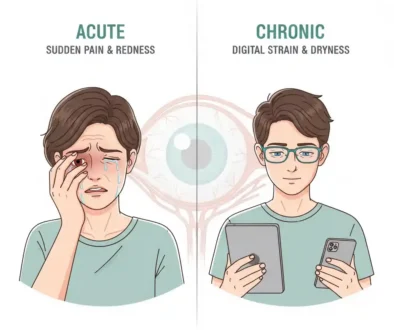
Symptoms can vary from person to person, but they often include a stinging, burning, or scratchy sensation in your eyes. You might also experience stringy mucus in or around your eyes, sensitivity to light, eye redness, a sensation of having something in your eyes, difficulty with nighttime driving, and eye fatigue.
Dry eye can also cause watery eyes. This is because dryness on the eye’s surface may over-stimulate production of the watery component of your tears as a protective mechanism. However, this “reflex tearing” does not stay on the eye long enough to correct the underlying dry eye condition.
Diagnosing Dry Eye
An optometrist plays a crucial role in diagnosing dry eye. After discussing your symptoms, your optometrist will examine your eyes. They may measure your tear production and quality or inspect your eyes using a microscope. These tests can help determine if you have dry eye and what might be causing it.
Once dry eye is diagnosed, your optometrist can suggest the most effective treatment based on your specific circumstances. They can also provide advice on managing your symptoms and preventing further complications.
Early diagnosis and treatment can save you from unnecessary discomfort and potential damage to your eyes. Therefore, if you suspect you have dry eye, don’t hesitate to consult an optometrist.
Common Treatment Options for Dry Eye Relief
One of the key things to understand about dry eye is that the most effective treatment depends on your circumstances. This is because dry eye can be caused by a variety of factors, including age, certain medical conditions, medications, damaged tear glands, and more. Given these varying causes, there’s no one-size-fits-all solution for dry eye. The most effective treatment must be personalized to your unique needs and circumstances.
Several common treatments can help provide relief from dry eye. These include over-the-counter eye drops or ointments, prescription eye drops that increase tear production, and medications to reduce inflammation.

Another common treatment is the use of autologous serum drops. These are eye drops made from your blood. They contain the same nutrients and growth factors found in natural tears, which can help heal the surface of the eye and improve tear production.
Punctal plugs are another option. These tiny devices are inserted into the tear ducts to block tear drainage, increasing the eye’s tear film and surface moisture.
LipiFlow is an innovative treatment for dry eye, specifically designed to treat meibomian gland dysfunction (MGD), a common cause of dry eye. The LipiFlow system applies controlled heat to the inner eyelid and mild, pulsating pressure to the outer eyelid to unblock the meibomian glands. This allows them to resume their natural production of the oily layer of tears.
Intense-pulsed therapy, or IPL, is a newer treatment option for dry eye. Originally developed for dermatological procedures, IPL has been found to have significant benefits for dry eye, particularly in cases caused by rosacea or other inflammatory skin disorders.
Learn More About Dry Eye and Eye Health
American Optometric Association – Dry Eye Information
The American Optometric Association provides comprehensive information about dry eye syndrome, including causes, symptoms, and professional treatment approaches. This resource offers evidence-based insights into how optometrists diagnose and manage dry eye conditions.
National Eye Institute – Dry Eye Disease
As part of the National Institutes of Health, the National Eye Institute offers authoritative information about dry eye disease research, prevention strategies, and the latest developments in treatment options. This resource is particularly valuable for understanding the science behind dry eye conditions and emerging therapies.
Finding the Most Effective Treatment for Your Needs
Finding the most effective treatment for your dry eye depends on understanding the cause of your symptoms and consulting with an optometrist. From over-the-counter eye drops to innovative treatments like LipiFlow and IPL, there are many options available.
If you’re struggling with dry eye, get the help you need and find the treatment that works best for you. Consult with our professionals at Frame & Focus Eye Care in our Richmond, Texas office. We are also happy to serve the surrounding areas, Greatwood, Rosenberg, Sugar Land, Pecan Grove, Four Corners, Mission Bend, New Territory, and Sugar Land. Call (832) 664-7900 to schedule an appointment today.
FAQs
-
The most effective treatment addresses the root cause:
-
Inflammation: Prescription drops (e.g., cyclosporine, lifitegrast)
-
Oil Gland Issues: In-office procedures (e.g., thermal pulsation)
-