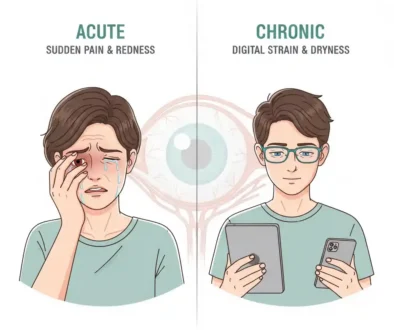
What Are the Early Stages of Dry Eye and How Can You Recognize Them?
The early stages of dry eye are characterized by subtle symptoms such as slight dryness, intermittent irritation, and watery eyes. Recognizing these initial signs is critical, as dry eye is a progressive condition that can worsen from mild discomfort to chronic inflammation if left unmanaged. While environmental factors often contribute to temporary dryness, persistent symptoms may require clinical intervention to prevent long-term damage.
Dry eye isn’t just a minor inconvenience—it’s a progressive condition that can significantly impact your daily comfort, work productivity, and overall quality of life. Whether you’re spending long hours at a computer, dealing with seasonal allergies, or simply trying to enjoy outdoor activities in our Texas heat, persistent dry eye symptoms can make even simple tasks challenging.
The good news? You don’t have to suffer in silence. With over a decade of experience serving families throughout Richmond, Pecan Grove, Sugar Land, Rosenberg, and Fulshear, Dr. Zaver has helped countless patients find lasting relief from dry eye symptoms. Our patient-centered approach combines state-of-the-art diagnostic technology with personalized treatment plans designed specifically for your unique needs and lifestyle.
At Frame & Focus Eye Care, we believe in clear communication without confusing medical jargon. We’ll help you understand exactly what’s happening with your eyes and work together to develop a treatment plan that fits your life. From the moment you call our office to your final follow-up appointment, our team—including our highly praised staff members Liz and Jose—will make you feel like family while providing the expert care you deserve.
Dry eye is a common condition that can affect your daily comfort, vision, and quality of life—but the earlier it’s recognized and treated, the better the outcomes. At Frame & Focus Eye Care, we help patients identify and manage dry eye symptoms at every stage, starting with early detection and personalized care.
What Is Dry Eye?
Dry eye occurs when your eyes don’t produce enough tears or when the quality of your tears is poor, leading to irritation, inflammation, and discomfort. There are two main types of dry eye:
- Evaporative Dry Eye: Caused by a deficiency in the oily layer of your tears, often due to meibomian gland dysfunction (MGD).
- Aqueous Deficient Dry Eye: Happens when your eyes don’t produce enough of the watery component of tears, often linked to aging or autoimmune conditions.
Some people experience a combination of both types.
Why Is Dry Eye So Common?
Texas residents are more likely to experience dry eye due to a mix of environmental and lifestyle factors. The hot, dry, and windy weather common in Richmond contributes to rapid tear evaporation, leaving the eyes feeling dry and irritated. In addition, high levels of pollen and other allergens in the air can lead to inflammation and discomfort, further aggravating dry eye symptoms.
Modern lifestyles also play a role. Extended screen time, which is common across all age groups, reduces how often we blink, resulting in poor tear distribution and increased eye strain. Additionally, indoor environments cooled or heated by HVAC systems often have low humidity levels, which can dry out the air and, in turn, your eyes. These combined factors make it especially important for Texans to be aware of the early signs of dry eye and seek timely care.
The Stages of Dry Eye and Their Symptoms
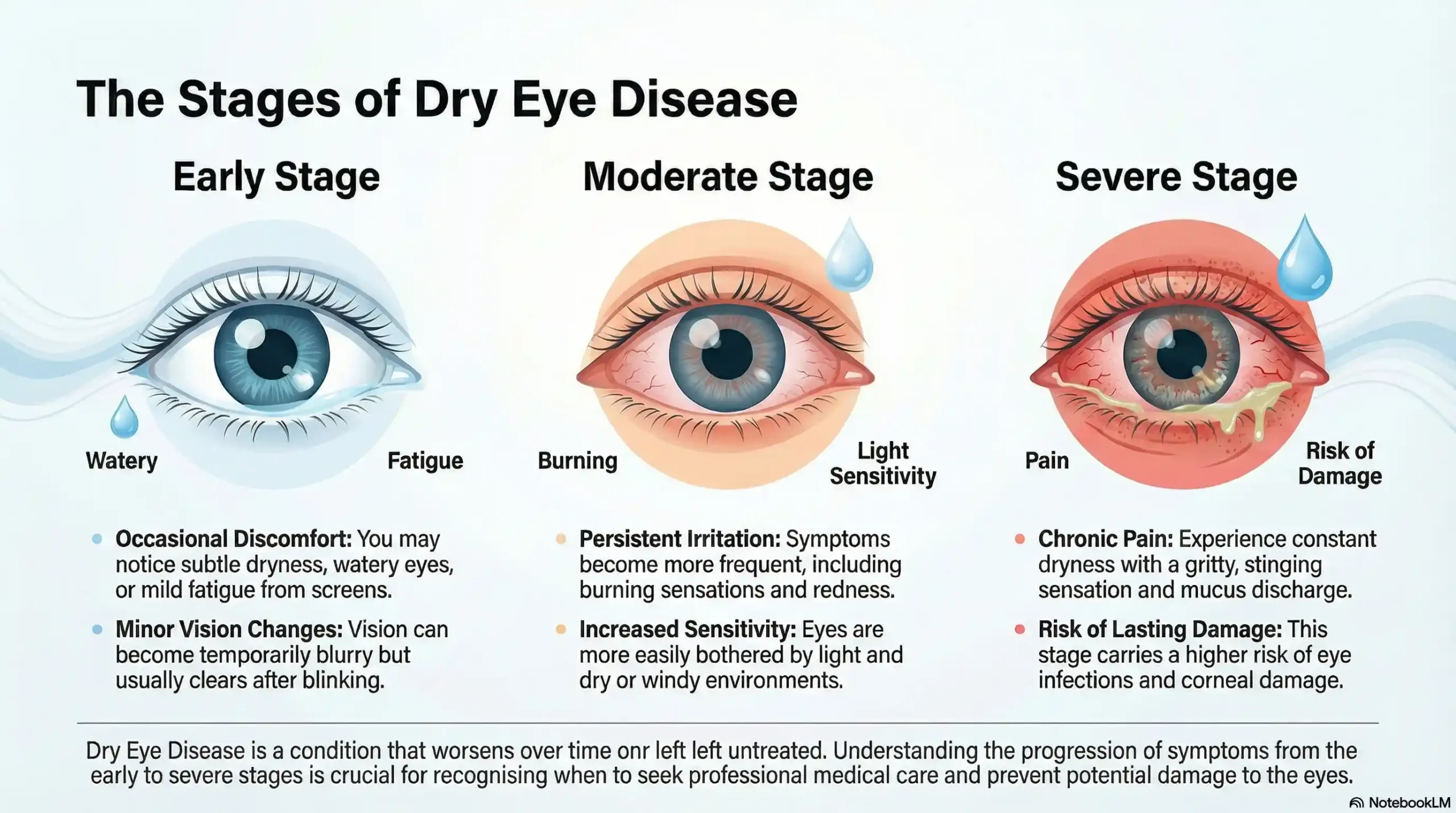
Dry eye is a progressive condition that tends to worsen over time if not addressed. Understanding the different stages can help you recognize when it’s time to seek treatment.
In the early or mild stage, symptoms may be subtle. You might notice slight dryness or irritation, watery eyes, and mild fatigue after using screens. Vision may become blurry at times, but it usually clears up with blinking.
In the moderate stage, symptoms become more frequent and noticeable. You may experience persistent discomfort, burning sensations, redness, and light sensitivity. Wearing contact lenses may become more difficult, and your eyes may be more easily irritated by dry or windy environments.
The severe stage involves more intense and chronic symptoms. These can include constant dryness, a gritty or stinging sensation, mucus discharge, and significantly blurred vision. At this stage, the risk of eye infections increases, and damage to the cornea can occur if left untreated.
Schedule a Dry Eye Evaluation
When to See Your Eye Doctor
If you’re experiencing symptoms from even the earliest stage of dry eye, it’s a good idea to schedule an eye exam. We use advanced diagnostic tools to assess the quality and quantity of your tears, evaluate your meibomian glands, and determine the root cause of your symptoms.
Personalized treatment may include:
- Artificial tears or prescription eye drops
- In-office treatments for meibomian gland dysfunction
- Lifestyle and environmental recommendations
- Nutritional supplements and eyelid hygiene products
Early treatment not only helps relieve symptoms but can also slow the progression of the condition and protect your long-term eye health.
Trusted Resources to Deepen Your Dry Eye Knowledge
Learn More About Eye Health and Dry Eye Management
While we’ve covered the basics of dry eye and its impact on Texas residents, understanding the full scope of this condition can help you make informed decisions about your eye health. These trusted resources provide additional insights into dry eye management and related eye health topics:
American Optometric Association – Dry Eye Resource Center
The AOA offers comprehensive information about dry eye causes, symptoms, and treatment options. Their resource center includes detailed explanations of different types of dry eye and the latest advances in treatment technology, helping you understand the condition from a clinical perspective.
National Eye Institute – Facts About Dry Eye
As part of the National Institutes of Health, the NEI provides evidence-based information about dry eye syndrome. Their resources cover everything from basic definitions to advanced treatment options, making it easier to understand how environmental factors like those common in Texas can contribute to dry eye symptoms.
Schedule Your Dry Eye Evaluation Today
Dry eye can start subtly, but over time, it can significantly impact your comfort, vision, and quality of life. Understanding the early stages and acting quickly is key to keeping your eyes healthy and seeing clearly. With the right care, dry eye can be managed effectively.
If you’re noticing the early signs of dry eye, don’t wait for symptoms to worsen. Schedule a comprehensive evaluation with Frame & Focus Eye Care at our office in Richmond, Texas. We are also happy to serve the surrounding areas, Greatwood, Rosenberg, Sugar Land, Pecan Grove, Four Corners, Mission Bend, New Territory, and Sugar Land. Please call (832) 664-7900 to book an appointment today.
FAQs
-
You’ll often feel a “gritty” or sandy sensation, like something is stuck in your eye. Other early signs include stinging, mild redness, and vision that fluctuates throughout the day.