Chalazion Causes & Treatment | Richmond Eye Doctor
A chalazion is a painless, firm bump caused by a blocked oil gland in the eyelid—unlike a stye, it is typically not an infection. While many resolve with proper warm compresses, persistent cases may require professional drainage or localized treatment to prevent vision interference.
Schedule a Professional Eyelid Evaluation
What Is a Chalazion?
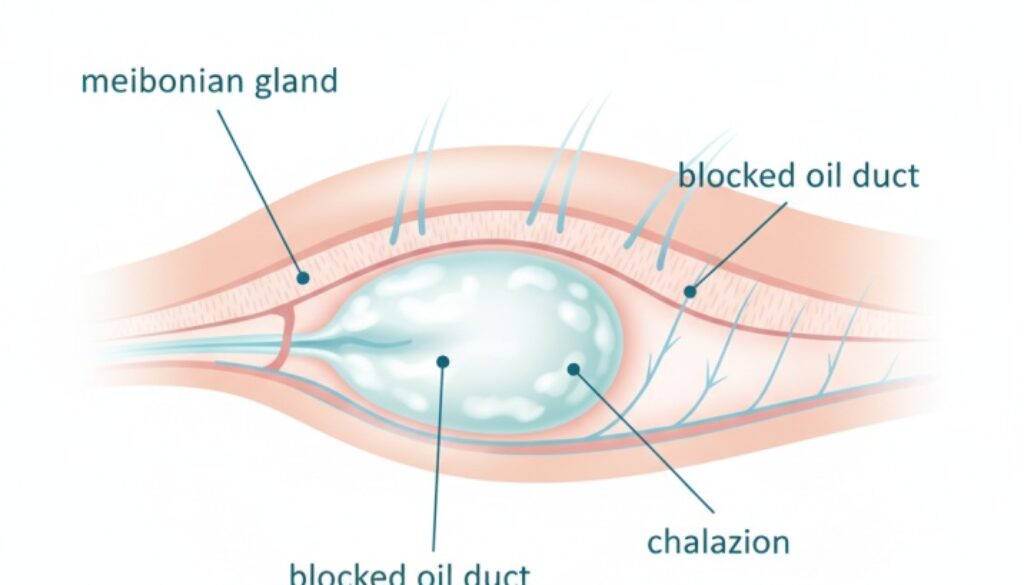
A chalazion is a small, typically painless bump that develops on your eyelid when one of the tiny oil glands (called meibomian glands) becomes blocked. Think of these glands as your eye’s natural moisturizing system—they produce an oily substance that keeps your eyes comfortable and properly lubricated throughout the day.
When one of these oil glands becomes clogged, the oil builds up behind the blockage, creating a firm, pea-sized lump that you can feel under your eyelid. Unlike a stye, which is caused by a bacterial infection and tends to be painful, a chalazion is usually painless and develops due to simple blockage rather than infection.
“Many patients come to our Richmond office concerned about a bump on their eyelid,” explains Dr. Zaver. “The good news is that chalazia (plural of chalazion) are common eyelid conditions that we treat regularly with excellent outcomes.”
Chalazion vs. Stye: Understanding the Difference
Many people confuse chalazia with styes, but they’re actually different conditions that require different approaches:
Chalazion Characteristics:
- Usually painless or mildly tender
- Develops away from the eyelash line
- Grows slowly over days to weeks
- Caused by a blocked oil gland, not infection
- Often larger and more persistent than styes

Stye Characteristics:
- Painful and tender to touch
- Appears near the eyelash line
- Develops quickly, often overnight
- Caused by bacterial infection
- May have a yellowish center that looks like a pimple
Understanding this difference is important because the treatment approaches can vary. While styes often respond well to antibiotic treatments, chalazia typically require different management strategies that your Richmond eye doctor can recommend based on your specific condition.
What Causes Chalazion?
Several factors can contribute to chalazion formation:
Primary Causes
Oil Gland Dysfunction: The most common cause is when the meibomian glands produce oil that’s too thick to flow normally, or when the gland opening becomes too narrow for proper drainage.
Inflammation: Conditions that cause eyelid inflammation, such as blepharitis, significantly increase your risk of developing chalazia.
Gland Blockage: Various factors can obstruct the normal flow of oils from these important glands.
Risk Factors
Research has identified several factors that increase your likelihood of developing a chalazion:
- Age: Research shows peaks in the third decade of life (ages 20-30), with a prevalence of 30.84% in this age group
- Skin Conditions: Rosacea, seborrheic dermatitis, and eczema
- Previous Eye Conditions: History of styes, blepharitis, or dry eye disease
- Eye Makeup Use: Particularly when not properly removed
- Contact Lens Wear: Especially with suboptimal hygiene
- Hormonal Changes: Can affect oil gland function
- Gender: Studies show a slightly higher prevalence in females (0.59%) compared to males (0.54%)
Recognizing Chalazion Symptoms
Chalazia typically develop gradually, and symptoms may vary depending on the size and location:
Early Symptoms
- Small, firm bump on the upper or lower eyelid
- Mild tenderness or sensitivity
- Slight swelling around the affected area
- A feeling of something in your eye
Progressive Symptoms
- The bump grows larger and more noticeable
- Potential slight redness around the area
- Mild irritation or tearing
- The eyelid may feel heavy
Advanced Symptoms (When Medical Attention Is Needed)
- A chalazion affects your vision by pressing on the eyeball
- The entire eyelid becomes swollen
- Pain develops (may indicate secondary infection)
- Discharge from the bump
- Changes in eyelid position or shape
“At Frame & Focus Eye Care, we use state-of-the-art diagnostic equipment to thoroughly examine your chalazion and determine the best treatment approach for your specific situation,” notes Dr. Zaver.
When Should You See an Eye Doctor?
While some chalazia may resolve naturally over time, professional evaluation is recommended in many situations:
Urgent Care Needed
Contact Frame & Focus Eye Care immediately if you experience:
- Suddenly, significant pain in the chalazion
- Rapid increase in size
- Vision changes or blurred vision
- Signs of infection (fever, increased redness, warm to the touch)
- Discharge or pus from the bump
- Inability to open your eye normally
Schedule an Appointment If:
- You notice any eyelid bump or unusual swelling
- The bump persists for more than a few days
- The bump interferes with your vision
- You develop multiple chalazia
- This is a recurrent chalazion in the same location
- You have concerns about your symptoms
Professional Evaluation Benefits
- Accurate diagnosis to differentiate from other conditions
- Assessment of underlying causes
- Appropriate treatment recommendations
- Monitoring for complications
- Prevention strategies for recurrence
Pediatric Considerations
Children with eyelid bumps should be evaluated promptly, especially if:
- The bump is large relative to the child’s eyelid
- It’s causing the child discomfort or affecting their activities
- The child is having difficulty with school or daily tasks
- You notice any changes in the child’s eye movement or vision
“We understand that eye problems can be concerning, especially when they involve your children,” says Dr. Zaver. “Our team takes a gentle, patient-centered approach to ensure both you and your child feel comfortable during the examination.”
Professional Treatment Options
At Frame & Focus Eye Care, we offer several proven treatment approaches based on your specific condition:
Conservative Medical Management
Your eye doctor may recommend:
- Professional assessment and monitoring
- Prescribed medications to address underlying conditions
- Medical-grade eyelid hygiene protocols
- Treatment of contributing factors like blepharitis or dry eye
Minimally Invasive Treatments
Steroid Injection:
- Quick, in-office procedure using triamcinolone acetonide
- Reduces inflammation and promotes faster resolution
- Success rates ranging from 61.5% to 89.6% depending on the study and the criteria
- Performed with topical anesthesia for patient comfort
Advanced Therapies: Recent research has shown promising results with:
- Intense Pulsed Light (IPL) therapy for recurrent cases
- Combined medical therapy approaches
- Specialized treatments for patients with underlying meibomian gland dysfunction
Surgical Treatment
Chalazion Drainage: When other treatments aren’t sufficient:
- Minor outpatient procedure performed under local anesthesia
- A small incision was made to drain the contents
- Usually performed from inside the eyelid to avoid external scarring
- Takes 15-20 minutes with rapid recovery
- High success rate for resolution

Understanding the Healing Process
Recovery from chalazion treatment varies depending on the approach used:
Treatment Timeline
- Medical management: Improvement typically seen within 2-4 weeks
- Steroid injection: Usually resolves within 2-3 weeks
- Surgical drainage: Immediate relief with healing complete in 1-2 weeks
Factors Affecting Recovery
- Size and location of the chalazion
- Underlying skin or eye conditions
- Individual healing response
- Age (children often heal faster than adults)
- Overall eye health
Signs of Successful Treatment
- Gradual reduction in size
- Decreased firmness
- Less noticeable appearance
- Improved comfort and function
Prevention: Maintaining Healthy Eyelids
While not all chalazia can be prevented, certain practices can reduce your risk:
Professional Preventive Care
- Regular comprehensive eye exams
- Treatment of underlying conditions like blepharitis or rosacea
- Professional eyelid hygiene recommendations
- Management of dry eye disease
Daily Eye Health Habits
- Proper hand hygiene before touching the eyes
- Appropriate eye makeup removal
- Regular replacement of eye makeup and applicators
- Good contact lens hygiene practices
Managing Risk Factors
If you have conditions that increase chalazion risk:
- Follow prescribed treatments for blepharitis or rosacea
- Use recommended artificial tears for dry eye disease
- Maintain excellent contact lens hygiene
- Follow your eye doctor’s preventive care recommendations
The Frame & Focus Approach to Chalazion Care
At Frame & Focus Eye Care, we believe in providing thorough, compassionate care that addresses both your immediate concerns and long-term eye health.
Our Comprehensive Evaluation Includes:
- Detailed medical history review
- External eye examination using advanced magnification
- Assessment of eyelid function and oil gland health
- Discussion of treatment options tailored to your needs
- Follow-up planning to monitor your progress
Why Choose Frame & Focus Eye Care:
State-of-the-Art Technology: We use advanced diagnostic equipment to accurately assess your condition and plan the most effective treatment.
Patient-Centered Communication: Dr. Zaver explains your condition in clear, understandable terms—no confusing medical jargon.
Family-Focused Care: We provide expert care for patients of all ages, from children experiencing their first chalazion to seniors managing recurrent cases.
Insurance-Friendly Options: We work with your insurance to ensure you receive the care you need at an affordable cost.
Convenient Richmond Location: Easy access for families throughout Richmond, Pecan Grove, Sugar Land, Rosenberg, and Fulshear.
Special Considerations for Different Age Groups
Pediatric Chalazia
Children require special attention because:
- They may not be able to describe symptoms clearly
- Research shows peak occurrence in ages 2-5 years old in pediatric populations
- Eyelid bumps can interfere with normal visual development
- Early professional evaluation ensures proper treatment
- Some treatments may need modification for younger patients
Adult Considerations
- Work and lifestyle factors may influence treatment timing
- Makeup and contact lens use may need temporary modification
- Underlying health conditions may affect treatment selection
Senior Care
- Age-related changes in oil gland function may increase recurrence risk
- Multiple medications may affect treatment choices
- Vision changes need careful monitoring
Schedule Your Chalazion Consultation Today
Don’t let a chalazion disrupt your daily life or cause unnecessary concern. At Frame & Focus Eye Care, Dr. Zaver and our experienced team are ready to provide the expert, compassionate care you deserve.
📍 Visit Us:
Frame & Focus Eye Care
18310 W Airport Blvd #900
Richmond, TX 77407
⏰ Office Hours:
- Monday-Thursday: 10:00 AM – 6:00 PM
- Friday: 10:00 AM – 4:00 PM
- Weekend: Closed
🌐 Schedule Online – Same-day appointments available for urgent concerns
💼 Insurance Accepted: We work with most major insurance plans to make your care affordable.
References and Additional Resources
For readers interested in the scientific research supporting this article, the following peer-reviewed studies provide detailed information about chalazion treatment and management:
- Novel Treatment of Chalazion Using Light-Guided-Tip Intense Pulsed Light – Nature Scientific Reports (2023)
This groundbreaking study demonstrates the effectiveness of IPL therapy for chalazion treatment, showing a 70.5% resolution rate comparable to surgical excision. - Efficacy of Combined Doxycycline and Intense Pulsed Light Therapy for the Management of Intractable Recurrent Chalazion – Frontiers in Medicine (2024)
Research shows significant improvements in meibomian gland function and reduced recurrence rates with combined antibiotic and light therapy approaches. - Therapeutic Effect of Intense Pulsed Light on Different Types of Chalazion in Children – Scientific Reports (2024)
Comprehensive study of 149 children demonstrating superior effectiveness of IPL therapy compared to traditional conservative treatments in pediatric chalazion cases.
Your Vision Health Matters
Remember, a chalazion might seem like a minor issue, but it’s part of your overall eye health picture. At Frame & Focus Eye Care, we’re committed to helping you maintain clear vision and healthy eyes throughout your life.
Whether you’re dealing with your first chalazion or managing a recurrent condition, our team provides the expertise and personal attention you need to resolve your concerns and prevent future problems.
Your eyes deserve the best care available in the Richmond area. Contact Frame & Focus Eye Care today and experience the difference that truly patient-centered eye care can make.
FAQs
-
A chalazion is caused by a blockage in the meibomian gland (oil gland) of the eyelid. This blockage traps oil, leading to a non-infectious lump; they are not contagious.
Please note: None of the above should be considered medical advice. If you have any concerns about your vision, please contact us immediately or consult your primary care provider.