The Value of Regular Pediatric Eye Exams in Protecting Your Child’s Vision
Introduction
Pediatric eye exams are essential medical evaluations that detect vision issues like amblyopia (lazy eye) and refractive errors that standard school screenings often miss. To protect your child’s development, the AOA recommends exams at 6 months, 3 years, and before starting first grade. At Frame & Focus Eye Care, our pediatric specialists provide the comprehensive testing needed to ensure your child has the visual foundation required for academic success.
Schedule Your Child’s Comprehensive Eye Exam in Richmond
The Importance of Pediatric Eye Exams
Pediatric eye exams are a critical aspect of your child’s health care. Vision problems can significantly impact a child’s development and academic performance. Without proper vision, a child may struggle with everything from reading and writing to sports and other physical activities. The unfortunate truth is, children often don’t realize they have a vision problem, leading to unnecessary struggles in their daily lives.
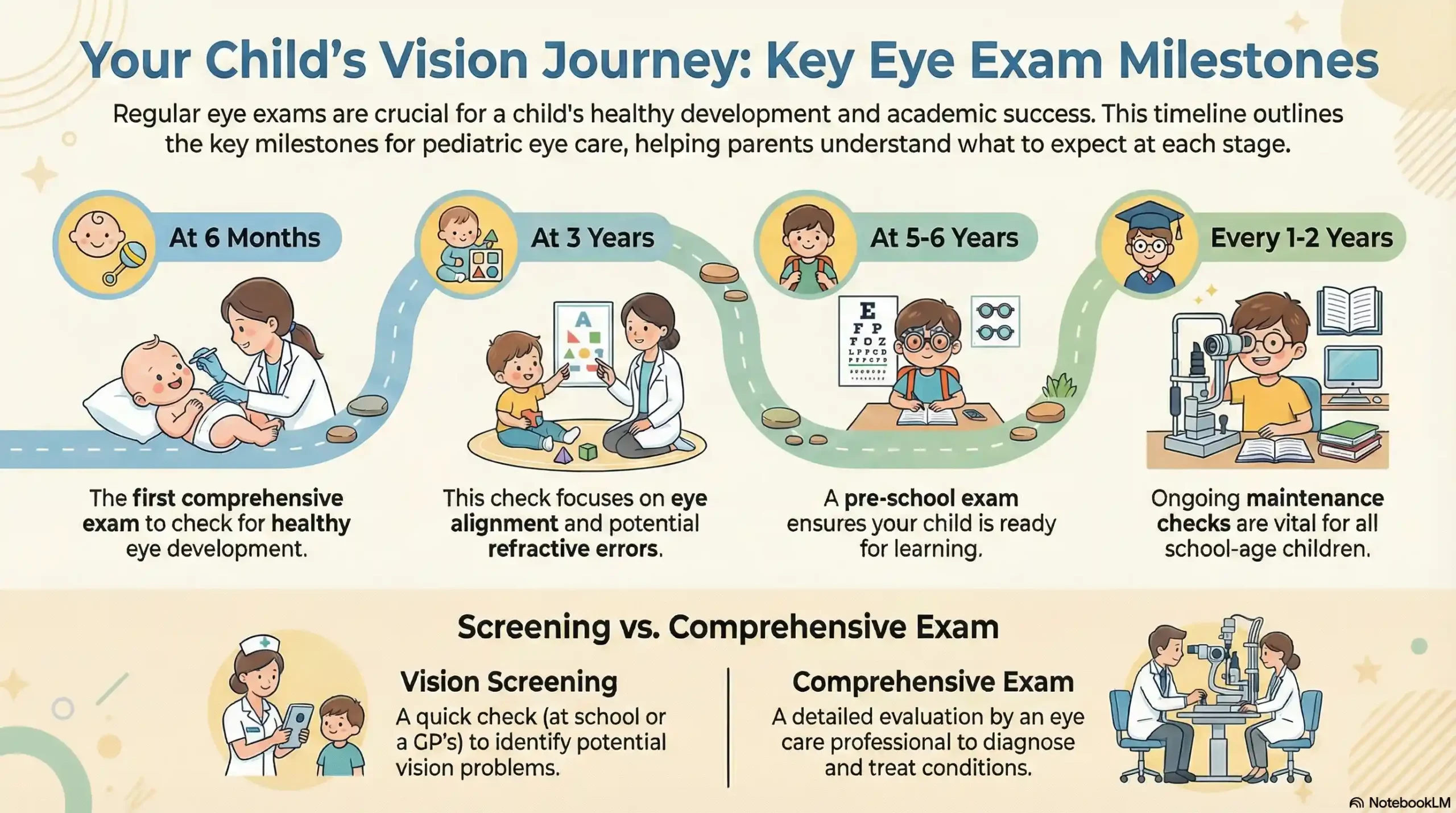
The American Optometric Association recommends that children have their first eye exam at six months of age, another at age three, and again just before they start school. Regular eye exams are crucial in the early detection and treatment of common childhood vision problems such as strabismus (crossed eyes), amblyopia (lazy eye), and refractive errors (myopia, hyperopia, and astigmatism).
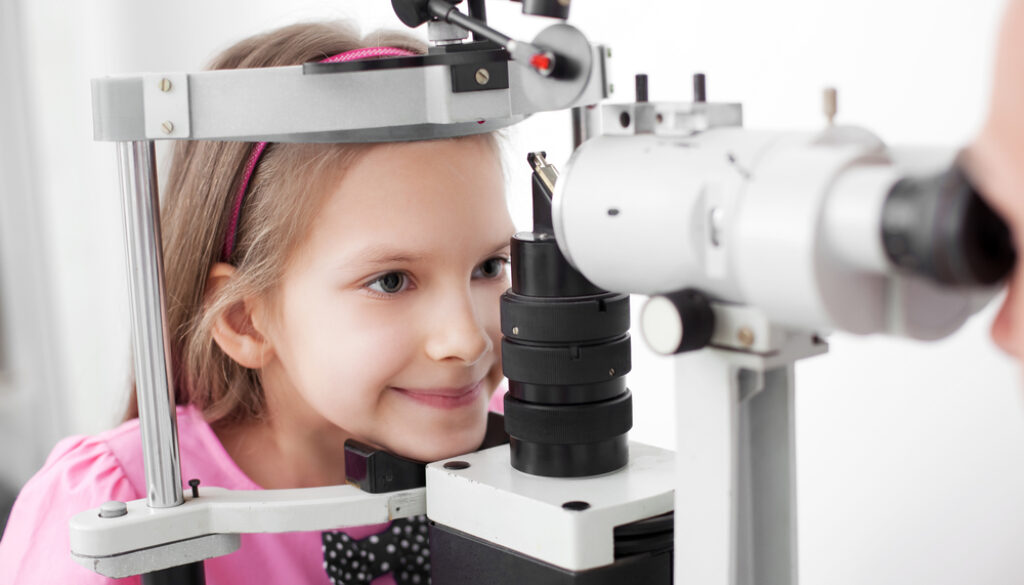
Pediatric eye exams can also detect signs of non-vision-related health issues. Certain systemic diseases, including diabetes and hypertension, can manifest through various eye problems. Regular eye check-ups can help catch these conditions early, allowing for timely treatment and management.
The Difference Between Vision Screenings and Comprehensive Eye Exams
Many parents rely on school vision screenings, but these are often just basic checks for distance vision. A comprehensive eye exam goes much deeper.
-
Beyond the 20/20 Chart: School screenings frequently miss conditions like astigmatism, eye coordination issues, or early signs of eye disease.
-
Expert Diagnosis: While a screening might flag a potential issue, only a trusted eye doctor in Richmond can provide a medical diagnosis.
-
Proactive Prevention: Our exams include specialized services like myopia management, which can actually slow the progression of nearsightedness in children—something a standard screening simply cannot do.
-
The Full Picture: For more details on why these differ, you can read our guide on vision screenings vs. comprehensive exams.
Pediatric Eye Exams and School Performance
Vision plays a critical role in your child’s learning. Studies estimate that up to 80% of learning in school-age children is visual. Children with undiagnosed vision problems may struggle with reading and concentration, sometimes even exhibiting behavioral problems mistaken for attention disorders.
Certain vision skills, such as eye tracking and eye teaming (the ability to coordinate both eyes together), are crucial for classroom activities. These skills are often assessed during a thorough exam, and in some cases, we may recommend specialized solutions like Neurolens if your child suffers from headaches or digital eye strain.
Common Vision Problems Detected Early
Regular pediatric eye exams can track changes in your child’s vision over time. This is particularly important for detecting:
-
Refractive Errors: Nearsightedness, farsightedness, and astigmatism.
-
Amblyopia (Lazy Eye): Early intervention is critical here, as treatment effectiveness decreases as the child grows older.
-
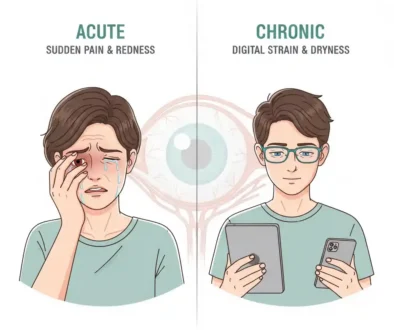
Dry Eye: Even children can suffer from dry eye syndrome, especially with increased screen time.
How Often Should Your Child Get a Pediatric Eye Exam?
The frequency of pediatric eye exams can vary depending on your child’s age, risk factors, and whether they already wear corrective lenses. School-age children should ideally have an eye exam every one to two years if they have no visual problems. However, if your child requires eyeglasses or contact lenses, annual exams are recommended.
Children who are at risk of developing eye problems may need more frequent eye exams. These risk factors can include premature birth, family history of eye disorders, certain systemic diseases, or taking medications that can affect the eyes. If your child falls into any of these categories, your optometrist will likely recommend more frequent check-ups.
The Role of Pediatric Eye Exams in Detecting Vision Problems Early
One of the significant advantages of regular pediatric eye exams is early detection of vision problems. Many eye conditions, if caught early, can be corrected or managed effectively, thus avoiding long-term vision damage. Early intervention is critical, especially for conditions like amblyopia (lazy eye), where treatment effectiveness decreases as the child grows older.
Pediatric eye exams can detect several vision problems that might not be evident in a routine school or pediatrician’s vision screening. For instance, school screenings often miss conditions like astigmatism or certain types of refractive errors. A comprehensive eye exam, on the other hand, can accurately diagnose these conditions, ensuring your child gets the appropriate treatment.
Regular eye exams can also track changes in your child’s vision over time. This is particularly important for children who wear glasses or contact lenses, as their prescription may need to be adjusted periodically.
Common Vision Problems Detected Through Pediatric Eye Exams
Pediatric eye exams can uncover a variety of vision and eye health issues. Some of the most common vision problems diagnosed through these exams include refractive errors (nearsightedness, farsightedness, and astigmatism), amblyopia (lazy eye), strabismus (crossed eyes), and color blindness.
Refractive errors are the most common cause of vision problems in children. These occur when the shape of the eye prevents light from focusing directly on the retina, leading to blurred vision. Amblyopia, also known as lazy eye, is a condition where one eye has significantly worse vision than the other, often due to strabismus or a significant difference in refractive errors between the two eyes.
Strabismus, or crossed eyes, refers to a misalignment of the eyes. This condition can lead to amblyopia if untreated. Lastly, color blindness, though not as common, can also be detected during a pediatric eye exam. Early detection of these conditions can enable effective treatment and prevent long-term vision problems.
for Further Reading
1. American Academy of Ophthalmology – Children’s Eye Health
Children’s Eye Exams: What to Expect
The American Academy of Ophthalmology provides comprehensive guidance on pediatric eye care, including detailed information about what parents can expect during their child’s eye exam. This resource covers age-appropriate testing methods, common childhood vision problems, and guidelines for when children should have their first eye exam. The AAO’s evidence-based recommendations align with the latest research in pediatric ophthalmology and provide valuable insights into how eye doctors adapt their examination techniques for different age groups. Parents will find this resource particularly helpful for understanding the difference between vision screening at school and comprehensive eye exams, as well as learning about specific conditions like amblyopia, strabismus, and refractive errors that are commonly detected during pediatric examinations.
2. American Optometric Association – Children’s Vision Development
Children’s Vision: Learning-Related Vision Problems
The American Optometric Association offers extensive information about the critical relationship between vision and learning in children. This resource explains how vision problems can significantly impact academic performance and provides detailed information about learning-related vision disorders that may not be detected through standard vision screenings. The AOA emphasizes the importance of comprehensive eye exams that evaluate not just visual acuity, but also eye tracking, focusing abilities, and binocular vision skills that are essential for reading and classroom activities. Parents and educators will benefit from understanding how undiagnosed vision problems can manifest as attention difficulties, reading struggles, or behavioral issues in the classroom, and how proper vision care can support children’s educational success and overall development.
Protect Your Child’s Vision Today
Regular pediatric eye exams are invaluable in safeguarding your child’s vision and overall health. They play a crucial role in the early detection and treatment of vision problems, ensuring your child’s healthy development and academic success. Make sure to schedule regular eye exams for your child – because their vision is a gift that deserves the best care possible.
For more information on the value of regular pediatric eye exams in protecting your child’s vision, contact Frame & Focus Eye Care. Available for eye care services for the Richmond, Pecan Grove, Four Corners, and Mission Bend, Texas communities. Call (832) 664-7900 to schedule an appointment today.
FAQs
-
The American Optometric Association recommends the first comprehensive exam between six and 12 months of age. This initial check screens for congenital issues.