
The Impact of Technology and Screen Time on Dry Eye
Introduction
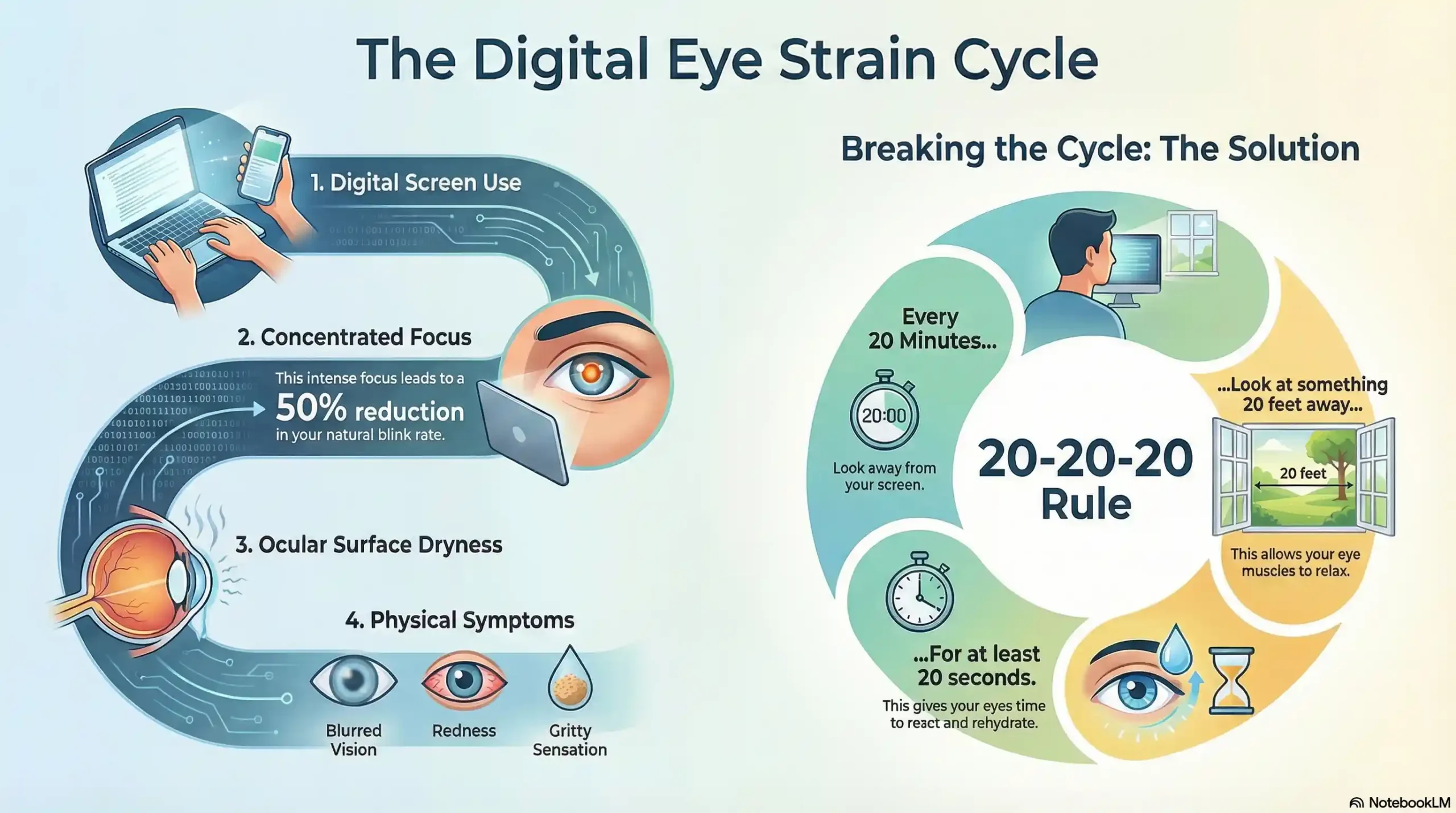
Extended screen time causes dry eye by reducing your blink rate by up to 50%, leading to rapid tear evaporation and ocular strain. At Frame & Focus Eye Care, we help patients in Richmond, TX, manage digital eye fatigue through specialized treatments and ergonomic adjustments. While digital devices are essential, understanding how high-energy blue light and constant pixel-focusing affect your vision is the first step toward lasting relief.
The good news is that digital eye strain isn’t permanent, and with the right knowledge and preventive measures, you can protect your vision while still staying connected in our digital world. Understanding how screen time affects your eyes is the first step toward maintaining healthy vision for years to come.
Schedule a Dry Eye Consultation in Richmond
People’s screen time has increased worldwide. After the pandemic, people were forced to shift to a digital lifestyle, with adults working from home and students switching to online classes. Those stuck at home alone can only communicate with family and friends virtually. This increase in digital use also drastically affects everyone’s health.
How Screen Time Affects the Eyes
Over the last few years, many ophthalmologists have seen an increase in people complaining about achy eyes, blurred vision, and headaches. According to research, this is because people spend more time in front of their mobile devices, increasing the risk of eye strain or dry eye. However, contrary to what some people believe, screens don’t produce UV rays.
Newer screens don’t usually have UV rays, which come from the sun and are the most damaging light. The light that screens produce and is the most likely to cause dry eye is the short-term, high-energy blue light. The good news, though, is that it isn’t typically serious. You can mostly solve this problem if you look away from the screen for a few minutes.
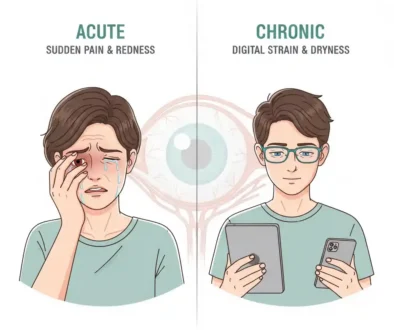
The consensus is that blue light does not cause any long-term vision problems. However, eye doctors still recommend avoiding excessive use of digital devices. Otherwise, you might soon experience a nagging pain behind your eyes, as well as multiple other symptoms of eye fatigue, such as:
- Dry, itchy, watery, or burning eyes.
- Blurred vision.
- Difficulty in keeping your eyes open.
- Dull ache around the eyes.
- Increased light sensitivity.
- Trouble concentrating.
Eye fatigue is often not a serious problem, but it can be irritating and hinder your work. Besides increased screen use, various things can cause eye fatigue or dry eye. However, it is most often associated with screen use today due to prolonged use of digital devices, causing people to blink less frequently and thus get fewer tears to lubricate the eyes.
Dry Eye and How to Avoid It
Blue light exposure is not the only cause of dry eye. Digital eye strain can be due to reading for too long. It can be because you concentrated too hard on something that made you blink less and your eyes dry. No matter the reason, though, the main factor that causes dry eye is the length of your exposure.
Your eyes dried because you stared too long at the screen, book, or other objects. You can avoid and treat eye fatigue and dry eye by making lifestyle changes, using eye drops, and wearing protective glasses, such as anti-radiation and anti-blue light computer glasses. As for lifestyle changes, try:
- Sitting properly in front of your computer. You can reduce your eye strain with the right posture and proper distancing from your device.
- Lighting your workplace correctly. Ensure the light is level in your room and around the same as the light coming from your screen.
- Practicing the 20-20-20 rule. The rule says to take a break from using your computer every 20 minutes, staring at something 20 feet away from you for at least 20 seconds.
These techniques, along with the computer glasses and the eye drops, should help ease the strain in your eyes. You can also put an anti-blue light screen protector on your screens, reducing the bright light that affects your eyes.
Who Is Most at Risk in a Screen-Centered Lifestyle
While digital eye strain can affect anyone, certain groups are increasingly vulnerable due to our modern, screen-dependent lifestyle. At our Richmond clinic, we frequently see patients from these high-risk categories:
-
Remote Workers: Professionals who have transitioned to permanent work-from-home setups often lack the ergonomic configurations of a professional office. Many work longer hours without the natural interruptions of an office environment, leading to the impact of technology and screen time on dry eye.
-
Students and Children: With the rise of virtual learning, even young children are logging hours of screen time. Research shows that digital eye strain among children rose dramatically during the pandemic, making kids’ eye exams more essential than ever to ensure their visual development isn’t hindered.
-
Mobile-First Users: Those who rely heavily on smartphones face unique risks. The smaller text and closer viewing distance of mobile devices force the eyes to work harder to maintain focus, which can lead to chronic fatigue.
-
Contact Lens Wearers: People who wear contact lenses are naturally prone to eye dryness. When combined with the reduced blink rate associated with screen use, these individuals often experience intensified burning and irritation.
Ergonomic and Environmental Adjustments That Protect the Eyes
Small changes to your physical surroundings can significantly reduce the workload on your visual system. Beyond the 20-20-20 rule, consider these environmental tweaks to protect your sight:
-
The “Arm’s Length” Rule: Position your monitor about 20 to 28 inches away from your eyes. The center of the screen should be slightly below eye level to reduce the surface area of the eye exposed to air, which helps prevent dry eye syndrome.
-
Lighting Balance: Avoid working in a dark room with a bright screen. Aim for ambient lighting that matches the brightness of your display to prevent high-contrast strain and glare.
-
Advanced Lens Solutions: For those who struggle with persistent strain despite ergonomic changes, we often recommend Neurolens. These specialized lenses are designed to correct eye misalignment, which is a common (and often hidden) cause of digital eye strain and headaches.
When Screen-Induced Dry Eye Requires Medical Treatment
In many cases, taking a break is enough to find relief. However, persistent symptoms may indicate a more chronic condition that requires professional intervention. You should schedule a visit for dry eye treatment in Richmond, TX if you experience:
-
Persistent Redness: If your eyes stay bloodshot even after resting or using over-the-counter drops.
-
Blurred Vision: If your vision remains “fuzzy” or inconsistent after you look away from the screen.
-
Foreign Body Sensation: A feeling like there is sand or grit in your eyes, which may indicate a need for advanced therapies like Blephex.
-
Severe Headaches: Frequent tension headaches or pain behind the eyes that interferes with your daily productivity.
Dr. Zaver can provide specialized treatments, ranging from prescription-strength lubrication to medical-grade eyelid hygiene, that offer lasting relief beyond standard retail options.
Balancing Technology Use and Eye Comfort in the Digital Age
The goal isn’t to eliminate technology, but to foster a “vision-conscious” relationship with our devices. As we continue to navigate a world that demands digital connectivity, eye health must become a priority.
-
Blink Consciously: We naturally blink about 15–20 times per minute, but this drops by half when we look at screens. Remind yourself to “squeeze-blink” periodically to re-lubricate the ocular surface.
-
Annual Eye Exams: Regular check-ups are essential for early detection. A comprehensive eye exam ensures your prescription is optimized for your specific workstation and helps us catch signs of strain before they become painful.
-
Prioritize “Green Time”: Whenever possible, trade “pixel time” for outdoor time. Looking at distant objects in natural light helps the focusing muscles in the eye relax and allows the visual system to recover from the stress of near-point work.
Research Sources and Citations Used in This Article
Primary Medical Authority Sources
American Optometric Association (AOA) – Digital Eye Strain Statistics: Most Americans Experience Digital Eye Strain from Overexposure to Computers According to Survey
This official AOA press release provided key statistics referenced in our article about digital eye strain prevalence. The survey found that 58% of adults have experienced digital eye strain or vision problems as a direct result of prolonged computer use, and revealed important usage patterns, including that 59% of surveyed individuals identified desktop computers and laptops as the devices that bothered them most, with mobile phones second at 26%.
National Center for Biotechnology Information (NCBI) – Peer-Reviewed Medical Research Digital Eye Strain- A Comprehensive Review
This peer-reviewed medical research paper served as the foundation for understanding the clinical aspects of digital eye strain discussed in our article. The study documented that digital eye strain prevalence ranges from 5 to 65% in the pre-COVID-19 era, but rose dramatically during the pandemic when digital learning became the norm. The research provided crucial insights into how lockdown restrictions led to digital eye strain prevalence amongst children rising to 50–60%, with symptoms expanding to include recent onset esotropia and vergence abnormalities.
Ready to find relief from digital eye strain? Don’t let screen time dictate your comfort. Whether you need a specialized Neurolens consultation or a customized dry eye treatment plan, Dr. Zaver and the team at Frame & Focus Eye Care are here to help you see clearly in a digital world.
Schedule Your Comprehensive Eye Exam in Richmond, TX Today or call us at: (832) 664-7900
FAQs
-
When focused on a screen, you blink less frequently—often reducing your blink rate by 50%. This causes tears to evaporate too quickly, leading to dryness and irritation.