
Eye Disease Treatment
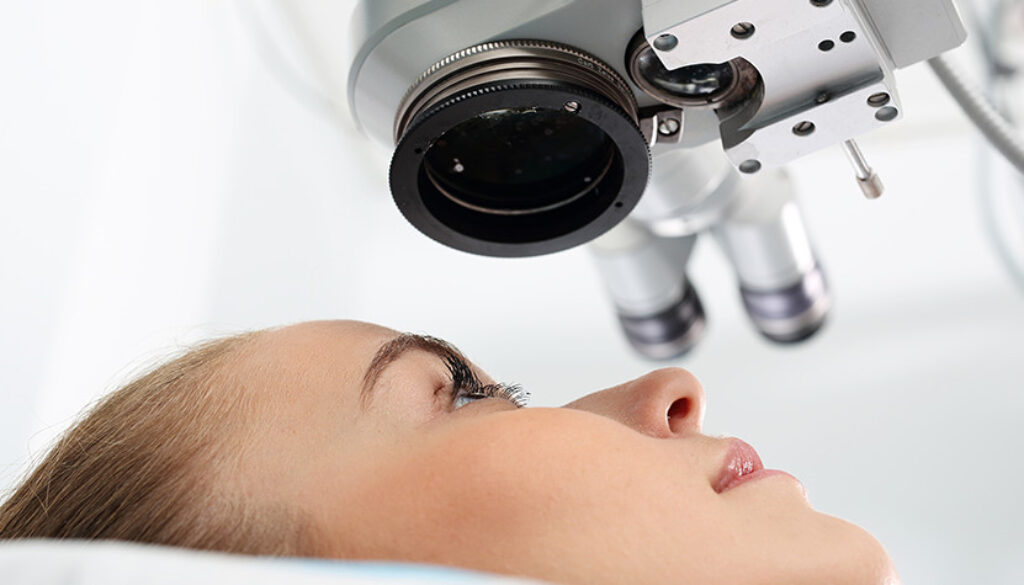
Most eye diseases progress silently, often causing irreversible vision loss before the first symptom even appears. At Frame & Focus Eye Care in Richmond, Dr. Sarah Zaver uses advanced retinal photography and medical-grade diagnostics to detect conditions like glaucoma, macular degeneration, and diabetic retinopathy in their earliest, most treatable stages.
Our Comprehensive Approach
Through state-of-the-art diagnostic technology, we go beyond traditional eye charts. Our comprehensive examinations include advanced retinal photography—literally “snapping photos of the backs of your eyes”—to catch common eye diseases in their earliest stages when treatment is most effective.
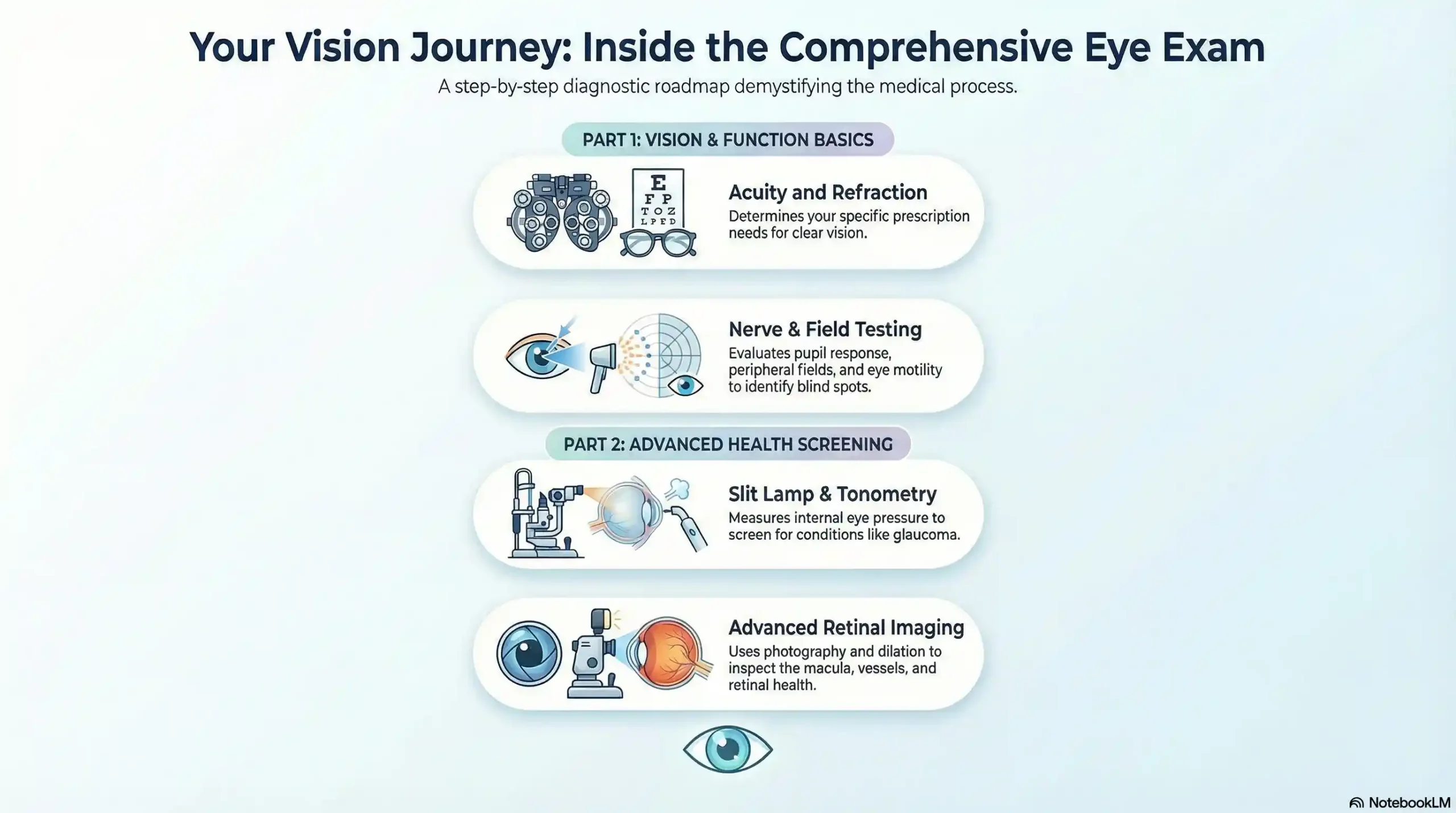
What sets us apart is our commitment to “straight talk about your vision problems.” We explain conditions in words you’ll understand—no medical jargon—because informed patients make the best health decisions.
Schedule Your Advanced Diagnostic Exam in Richmond
Millions of patients are diagnosed with diseases and conditions of the eye every year. Some of which may not display symptoms until there is irreversible damage to the patient’s vision. The outcome of eye disease can range from temporary discomfort to total loss of vision, which is why all eye problems and diseases should be taken seriously, and regular eye check-ups are essential.
What Are The Causes of Eye Disease?
The main causes of eye problems can be divided into five groups:
- Inflammation of the eye and surrounding structures caused by a bacterial, viral, parasitic, or fungal infection.
- Injuries to the eye and surrounding structures, either as a result of trauma or an object in the eye.
- Genetically inherited eye diseases, many of which may only manifest later in life and affect the structures and the functioning of the eye, which therefore can impair visual abilities. In some cases, however, children are born with these conditions.
- Diseases or conditions, such as migraine or diabetes, can affect other organs of the body, such as the eyes.
- External causes, such as allergies or eye strain due to overuse, or as a side effect of medication.
What Are The Symptoms of Eye Disease?
The three symptoms indicative of eye disease are changes in vision, changes in the appearance of the eye, or an abnormal sensation or pain in the eye.
Vision changes can include the following symptoms:
- Nearsightedness is caused by an elongation of the eyeball over time, making it difficult to clearly see objects far away.
- Farsightedness is caused by the shortening of the eyeball, making it difficult to see objects that are close by clearly.
- Blurry or hazy vision, or loss of specific areas of vision, which can affect one or both eyes and is the most common vision symptom. Any sudden vision changes should be a cause for concern.
- Double vision means a single clear image appears to repeat itself. This could be accompanied by other symptoms like headaches, nausea, a droopy eyelid, and misalignment of the eyes.
- Floaters are specks or strands that seem to float across the field of vision. These are shadows cast by cells inside the clear fluid that fills the eye. These are usually harmless, but should be checked out as they could point to something serious, such as retinal detachment.
- Loss of vision after being able to see before.
- Night blindness is the inability to see clearly in the dark or to adapt to the dark, especially after coming out of a brightly lit environment.
- Impaired depth perception means a person has difficulty distinguishing which of two objects is closer to him/her.
Changes in the appearance of the eye include, but are not restricted to, the following:
- Redness or swelling of the eyes, which have a bloodshot appearance.
- Watery and itchy eyes, depending on the cause, discharge from the eyes is also possible.
- Redness and swelling of the eyelid.
- Cloudy appearance of the eye, which occurs due to a build-up of proteins, making the lens of the eye appear cloudy. These can be symptomatic of cataracts.
- Eyelid twitch. This happens when eyelid muscles spasm involuntarily over a period of time.
- Squint
- Bulging eyes could be a symptom of hyperthyroidism or an autoimmune disorder called Graves’ disease.
- Drooping eyelids can be a sign of exhaustion, aging, migraines, or a more serious medical problem.
The Science of Relief: Advanced Dry Eye Treatment
If you feel like you have “sandpaper” in your eyes, you aren’t alone. However, relying solely on over-the-counter drops often masks the problem without fixing it. Chronic dry eye is a complex eye disease that requires a targeted approach to treat the root cause—usually inflammation or gland blockage.
-
LipiFlow & iLux²® Technology: We use thermal pulsation to gently clear blocked oil glands, restoring the natural moisture your eyes need.
-
IPL (Intense Pulsed Light): This revolutionary therapy reduces inflammation around the eyelids and treats the underlying causes of ocular surface disease.
-
BlephEx®: Think of this as a “deep clean” for your eyelids, removing bacterial biofilm that causes chronic itching and redness. Learn more about how BlephEx can refresh your vision.
Myopia Management: Protecting the Next Generation
Nearsightedness (myopia) is more than just a need for glasses; it is a progressive condition that, if left unchecked, increases the risk of serious issues like retinal detachment later in life. Our myopia control program is designed to slow this progression in children.
-
MiSight® 1-Day Lenses: We offer the first FDA-approved contact lenses proven to slow the elongation of the eye in children.
-
Atropine Therapy: Low-dose prescription drops used nightly can effectively signal the eye to slow its growth.
-
Comprehensive Pediatrics: Vision affects learning. Ensure your child is ready for school with a specialized kids eye exam.
Solving the “Digital Headache”: The Neurolens Breakthrough
In our screen-heavy world, many people suffer from chronic headaches, neck pain, and “heavy eyes.” Often, these aren’t just migraines—they are symptoms of Trigeminal Dysphoria, or eye misalignment.
We are proud to offer Neurolens, a revolutionary diagnostic and lens technology. Using a contoured prism, Neurolenses correct the misalignment between your eyes and brain, providing relief that standard glasses cannot.
-
Precise Testing: Our 2-minute Neurolens measurement identifies even the smallest eye drift.
-
Life-Changing Relief: Most patients report a significant drop in digital eye strain and headache frequency within days of wearing their new lenses. Check out our Neurolens FAQ for more details.
Pain in and around the eye:
Pain within the eye is called ocular pain, while pain on the surface of the eye is called orbital pain.
Ocular pain can be caused by a scratch or a slight injury to the cornea of the eye or the presence of a foreign object in the eye, and often causes redness of the eye. Orbital pain can be sharp or throbbing and may go beyond the surface. This should be a cause for concern if it’s accompanied by vision loss, vomiting, fever, muscle aches, eye bulging, and difficulty in moving the eye in certain directions. Trauma to the eye or the surrounding facial areas can also be the cause of pain.
How Can Eye Diseases Be Treated?
The treatment of eye diseases is divided into four main categories:
- Medication
- Surgery
- Prescription glasses or contact lenses
- Treatment of systemic conditions affecting the eye
References and Resources
This article draws upon evidence-based information from leading eye health organizations to provide accurate, up-to-date guidance on eye disease prevention and treatment:
- American Academy of Ophthalmology – Eye Health A-Z
Comprehensive, doctor-approved facts about eye conditions, diseases, and treatments from the nation’s leading organization of eye physicians and surgeons. - National Eye Institute – Eye Health Data and Statistics
Official data and statistics on eye diseases and conditions collected by the U.S. Department of Health and Human Services, Centers for Disease Control and Prevention, and U.S. Census Bureau, providing essential epidemiological information for eye health awareness.
Don’t Wait for Relief—Experience the “Straight Talk” Difference Today. Whether you’re facing a sudden eye emergency or a chronic digital headache, Dr. Zaver and the team at Frame & Focus are here to help you see—and feel—better. We offer same-day appointments to ensure your vision is never at risk.
[Schedule Your Priority Appointment Now] Or Call: (832) 930-7797
FAQs
-
The most effective treatments are prescription anti-inflammatory drops, tear duct plugs (punctal plugs), and in-office procedures like thermal pulsation to unblock oil glands.