Diabetic Retinopathy: Causes, Symptoms, and Prevention
Diabetic retinopathy is a diabetes-related eye condition caused by high blood sugar damaging the blood vessels in your retina, which can lead to permanent vision loss if left untreated. At Frame & Focus Eye Care, Dr. Sarah Zaver provides “straight talk” and advanced retinal photography to detect these silent changes early, ensuring your vision remains protected through expert local care in Richmond.
Schedule Your Annual Diabetic Eye Screening
Causes of Diabetic Retinopathy
The primary cause of diabetic retinopathy is diabetes, specifically type 1 or type 2. Over time, high blood sugar levels can damage the tiny blood vessels in the retina. This can cause these vessels to leak or hemorrhage, leading to swelling and vision distortion. In severe cases, abnormal new blood vessels can grow on the retina, causing more serious vision problems.
The likelihood of developing diabetic retinopathy increases with the duration of diabetes. Those who’ve had diabetes for many years are more likely to experience this complication. Additionally, poor control of blood sugar levels, high blood pressure, and high cholesterol can further increase the risk.
Recognizing the Symptoms of Diabetic Retinopathy
Diabetic retinopathy often starts without any noticeable symptoms. In the early stages, you might not experience any vision problems at all. However, as the disease progresses, symptoms can become more noticeable.
Common symptoms include blurred vision, floaters (spots or dark strings floating in your vision), vision loss, and difficulty seeing at night. You might also notice changes in your vision, such as colors appearing faded or washed out. It’s important to note that these symptoms can occur in one or both eyes.
The key to managing diabetic retinopathy successfully is early detection. If you start noticing any changes in your vision, it’s crucial to seek medical advice immediately. The sooner this condition is diagnosed, the better your chances are of preserving your vision.
The Prevention of Diabetic Retinopathy
The best way to prevent diabetic retinopathy is to manage your diabetes effectively. This means maintaining good control of your blood sugar levels, blood pressure, and cholesterol. Regular exercise, a healthy diet, and taking prescribed medications can help in this regard.
Regular eye exams play a vital role in the prevention of diabetic retinopathy. These exams can help detect the disease in its early stages, even before you start noticing any symptoms. Early detection and treatment can slow the progression of the disease and prevent vision loss.
Smoking can also increase the risk of diabetic retinopathy. Hence, it’s advisable to quit smoking or avoid it altogether if you’ve been diagnosed with diabetes.
Stages of Diabetic Retinopathy Explained
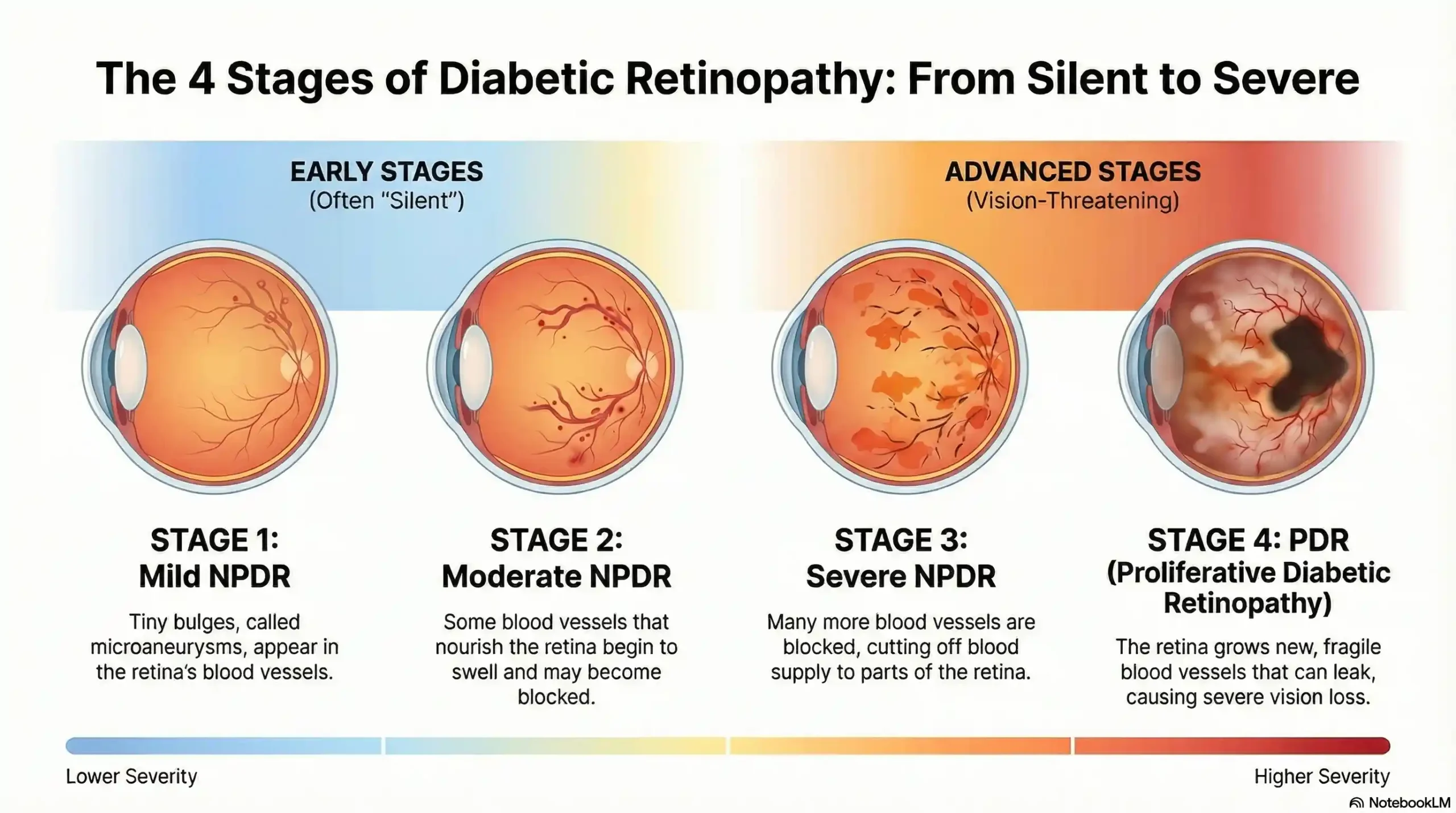
Diabetic retinopathy is a progressive condition, and understanding its stages is vital for early intervention. At our Richmond practice, Dr. Zaver utilizes advanced technology to monitor these transitions closely:
-
Mild Non-proliferative Retinopathy: This earliest stage involves small areas of swelling in the retinal blood vessels, known as microaneurysms.
-
Moderate Non-proliferative Retinopathy: As the disease progresses, blood vessels that nourish the retina may swell and distort, losing their ability to transport blood effectively.
-
Severe Non-proliferative Retinopathy: Many more blood vessels are blocked, depriving several areas of the retina of their blood supply.
-
Proliferative Diabetic Retinopathy (PDR): At this advanced stage, the retina sends signals for new blood vessels to grow. These fragile new vessels can leak blood into the center of the eye, causing severe vision loss or even blindness if left untreated.
Treatment Options for Diabetic Retinopathy
The treatment for diabetic retinopathy depends on the severity of the disease and is always customized to your unique visual demands. Our goal is to provide “straight talk” about your options so you can make informed decisions:
-
Early-Stage Monitoring: In initial stages, Dr. Zaver may monitor your eyes more frequently using retinal photography to ensure no rapid changes occur.
-
Managing Underlying Factors: We emphasize that the most effective “treatment” begins with lifestyle. You can learn more about how nutrition impacts your condition in our guide on whether diet can reverse diabetic retinopathy.
-
Advanced Clinical Interventions: For more severe cases, treatments may include laser surgery to shrink abnormal blood vessels or injections of medication into the eye to reduce swelling.
-
Specialized Referrals: If surgical intervention like a vitrectomy or a LASIK consultation for related vision needs is required, we coordinate with trusted specialists to ensure your care remains seamless.
The Importance of Regular Eye Exams for Diabetic Patients
Because diabetic retinopathy is a “silent threat” that often presents no symptoms in its early stages, regular exams are not just a recommendation—they are essential healthcare.
-
Exhaustive Screening: Our comprehensive eye exams go far beyond a reading chart, snapping detailed photos of the back of your eyes to provide a complete picture of your health.
-
Continuity of Care: For our Richmond neighbors, establishing a long-term relationship with Dr. Zaver allows us to track subtle changes in your retinal health over many years.
-
Early Detection: Catching issues early is the definitive way to protect your long-term health and ensure your sight remains sharp and clear.
-
Personalized Attention: We take the time to listen to your concerns, ensuring you never feel like just another transaction.
Living With Diabetic Retinopathy: Protecting Your Vision
Receiving a diagnosis can be overwhelming, but Frame & Focus Eye Care is committed to being your partner in maintaining a high quality of life.
-
Daily Lifestyle Choices: Protecting your vision involves a healthy diet, regular exercise, and adherence to medications.
-
High-Quality Eyewear: For those experiencing vision changes, we provide properly fitted, high-quality eyeglasses and contact lenses designed to maximize your remaining vision and reduce headaches.
-
Emergency Support: If you experience sudden changes like new floaters or blurred vision, we offer emergency eye care with same-day appointments to provide immediate peace of mind.
-
A Supportive Environment: Our team is dedicated to making you feel like family, providing a warm and upbeat atmosphere during every visit. Contact us today to schedule your annual screening.
External Resources for Diabetic Retinopathy Information
American Diabetes Association – Comprehensive Diabetic Retinopathy Guide
The American Diabetes Association provides extensive resources on diabetic retinopathy, emphasizing that keeping an A1C below 7% helps prevent retinopathy. Their comprehensive guide covers risk factors, prevention strategies, and the importance of annual dilated eye exams. The organization stresses that retinopathy is usually very treatable, especially if you find out about it in the earliest stages, making early detection crucial for preserving vision.
The American Diabetes Association’s resource offers detailed information about both non-proliferative and proliferative retinopathy, treatment options, and practical steps for managing diabetes to reduce your risk. This authoritative source provides evidence-based guidance that aligns with current medical standards and offers valuable tools for assessing your personal risk factors.
National Eye Institute – Diabetic Retinopathy Education and Research
The National Eye Institute emphasizes that diabetic retinopathy is the most common cause of vision loss for people with diabetes and provides comprehensive educational resources backed by the latest research. Their materials stress that if you have diabetes, it’s important to get a comprehensive dilated eye exam at least once a year, even if you’re not experiencing symptoms.
The National Eye Institute offers detailed explanations of how diabetes affects the eyes, describes the progression from early-stage to advanced retinopathy, and provides current information on treatment options. Their resources explain that managing your diabetes — by staying physically active, eating healthy, and taking your medicine — can also help you prevent or delay vision loss, National Eye Institute. As part of the National Institutes of Health, this source provides the most current scientific understanding of diabetic retinopathy and ongoing research developments.
Living with Diabetic Retinopathy
Living with diabetic retinopathy can be challenging, but it’s not impossible. With early detection, proper treatment, and effective diabetes management, you can slow the progression of the disease and maintain your quality of life.
Regular eye exams are crucial for early detection. If you’re living with diabetes, ensure you schedule these exams at least once a year, or more frequently if necessary.
Diabetes may be a part of your life, but it doesn’t have to define it. By understanding diabetic retinopathy and taking proactive steps to manage your health, you can continue to live a fulfilling life.
For more information on the causes, symptoms, and prevention of diabetic retinopathy, visit Frame & Focus Eye Care at our Pecan Grove, Four Corners, and Mission Bend, Texas locations. Please call 832-664-7900 to schedule an appointment today.
FAQs
-
Diabetic retinopathy is an eye disease caused by high blood sugar levels that damage the blood vessels in the light-sensitive tissue (retina) at the back of the eye.