LASIK Surgery
LASIK eye surgery at Frame & Focus Eye Care permanently reshapes your cornea to correct nearsightedness, farsightedness, and astigmatism, often providing 20/20 vision or better. Our Richmond, Texas clinic offers comprehensive LASIK evaluations to help patients from Sugar Land and Katy reduce or eliminate their dependence on glasses and contact lenses.
Schedule Your LASIK Evaluation in Richmond
How to Prepare for LASIK Eye Surgery?
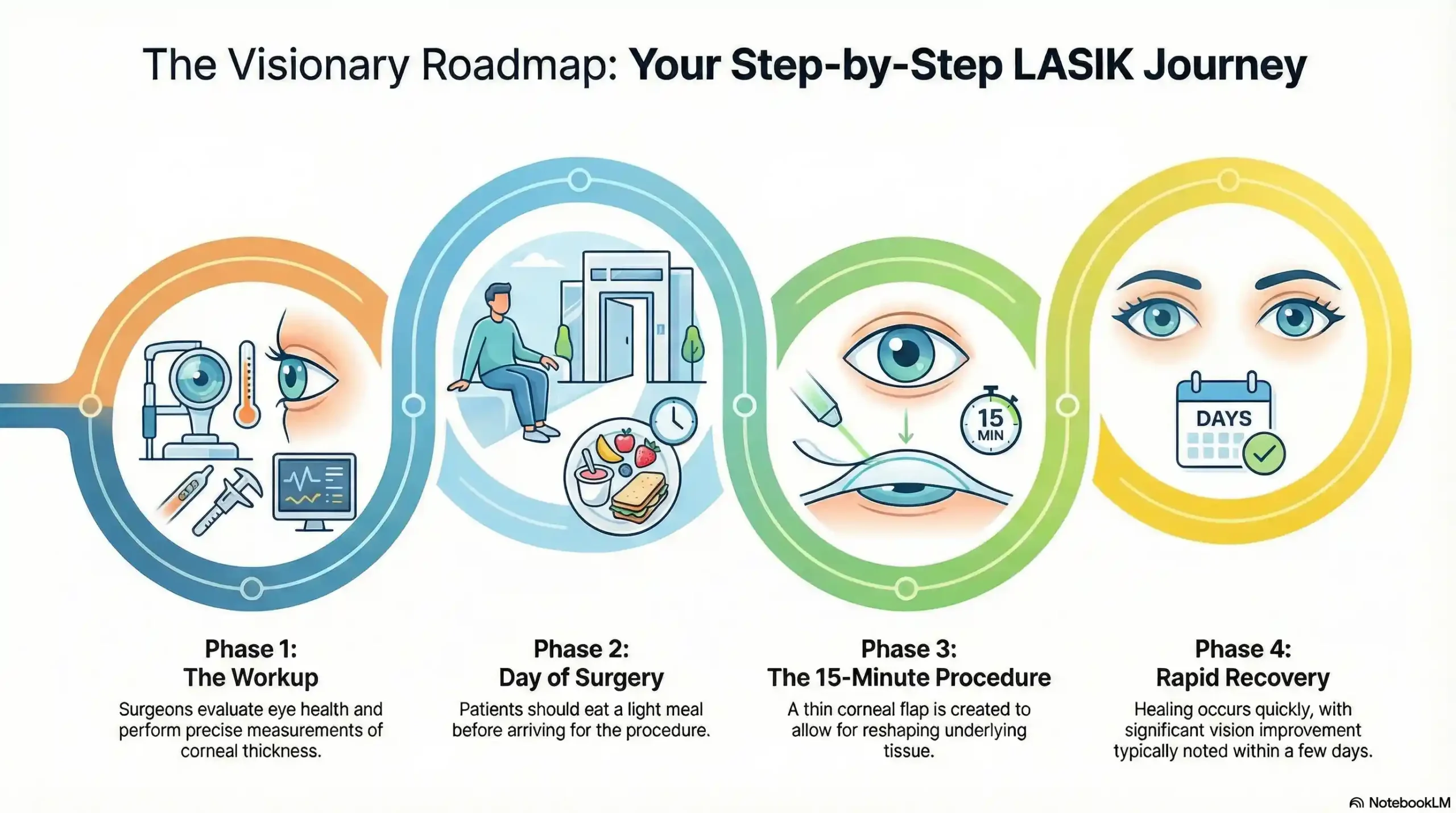
Before LASIK eye surgery, the eye surgeon will evaluate the patient’s medical history and perform a full eye examination, including measuring corneal thickness, refraction, corneal mapping, eye pressure, and pupil dilation. Afterward, the surgeon will discuss what to expect during and after the procedure.
On the day of the surgery, eat a light meal before going to the doctor and take all prescribed medications, if any. Do not wear eye makeup, creams, perfumes, or lotions on the day before and the day of surgery, or have any bulky hair accessories that will interfere with positioning the head under the laser.
Contact lenses shouldn’t be worn for at least three days before the evaluation. In the case of rigid gas permeable contact lenses, they should not be worn for at least three weeks before. Patients should arrange for a ride home from the place of surgery, as their vision might be blurry.
What Happens During LASIK Eye Surgery?
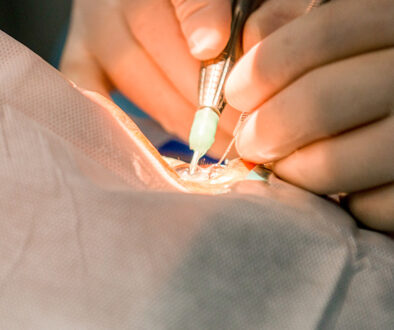
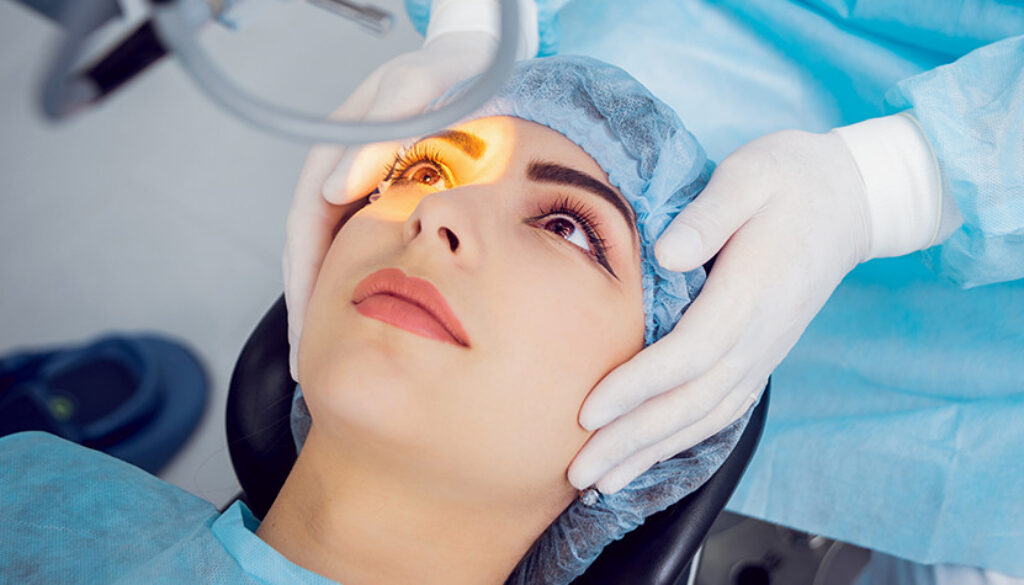
The LASIK surgeon uses a computer to adjust the laser for each patient’s particular prescription. An instrument to hold the eyelids open may be used, and the patient will be asked to look at a target light for a short time while the laser sends pulses of light to painlessly reshape the cornea. During LASIK eye surgery, a suction ring is placed on the eye just before cutting the corneal flap, which may cause a feeling of pressure and may cause vision to dim slightly. Then, an instrument called a femtosecond laser is used to create a thin flap in the cornea. The corneal flap is then painlessly peeled back, and the underlying corneal tissue is reshaped using another laser. After the cornea is reshaped so that it can properly focus light onto the retina, the cornea flap is put back in place, and the surgery is complete. A distinct odor might be detected as the laser removes the corneal tissue, which some people describe as similar to that of burning hair, but it is nothing to worry about.
What to Expect After LASIK Eye Surgery?
The eyes might temporarily be dry even though they do not feel that way. One eye drop will be prescribed to prevent infection and inflammation, and another eye drop to keep the eyes moist. These drops may cause a momentary, slight burn or blurring of your vision upon using them. Do not use any eye drops not approved by the LASIK surgeon.
Healing after LASIK eye surgery usually occurs very rapidly. Vision may be blurry and hazy for the first day, but most patients notice improved vision within a few days of surgery. There will be a follow-up evaluation 24 to 48 hours after LASIK eye surgery, as well as at regular intervals within the first six months.
What Are the Advantages of LASIK Eye Surgery?
LASIK has many benefits, including:
- Vision is corrected nearly every day after LASIK.
- LASIK causes a dramatic reduction in eyeglass or contact lens dependence, and many patients no longer need them at all.
- Adjustments can be made years after LASIK to further correct vision if vision changes with age.
- LASIK is associated with very little pain due to the numbing eye drops that are used.
- No bandages or stitches are required after LASIK.
Authoritative Resources for LASIK Information
Understanding LASIK eye surgery involves accessing reliable, evidence-based information from trusted medical organizations and research institutions. The following external resources provide comprehensive information about LASIK safety, effectiveness, and what to expect during the vision correction process:
American Academy of Ophthalmology – LASIK Eye Surgery The American Academy of Ophthalmology serves as the premier professional organization for eye physicians and surgeons, offering patient-focused educational content about LASIK procedures, candidacy requirements, and post-operative care. Their resources include detailed explanations of the surgical technique, potential risks and benefits, and guidance for selecting a qualified surgeon.
U.S. Food and Drug Administration – LASIK Information for Patients. The FDA’s comprehensive patient guide provides regulatory oversight information about LASIK devices and procedures, including important safety considerations, clinical trial data, and questions patients should ask their surgeons before undergoing treatment. This resource offers unbiased information about LASIK technology and regulatory standards that ensure patient safety.
FAQs
-
Ideal candidates are over 18, have had a stable prescription for at least one year, and possess corneas thick enough for safe laser reshaping. A detailed exam determines final eligibility.