Why Should You Consider Eyelid Rejuvenation
Introduction
At Frame & Focus Eye Care in Richmond, Texas, we understand that your vision extends beyond what you see—it encompasses how you see yourself and how others see you. Under the expert guidance of Dr. Sarah Zaver, our practice has been dedicated to comprehensive eye care for over a decade, serving Richmond, Pecan Grove, Sugar Land, Rosenberg, and Fulshear with a patient-centered approach that prioritizes both your visual health and overall well-being.
While many people associate eyelid concerns with cosmetic desires alone, the reality is that sagging or drooping eyelids can significantly impact your vision and quality of life. As part of our commitment to complete eye care for the whole family, we believe it’s important for our patients to understand all aspects of eye health—including when medical or surgical intervention might be necessary to restore both function and confidence.
The aging process affects every part of our body, and our eyelids are particularly vulnerable to changes that can interfere with daily activities. Whether you’re struggling to see clearly due to drooping upper eyelids or feeling self-conscious about the appearance of aging around your eyes, understanding your options is the first step toward making an informed decision about your care.
At Frame & Focus Eye Care, we’re committed to providing you with clear, jargon-free information about all eye-related procedures and conditions. While we focus primarily on comprehensive eye exams, specialty contact lens fitting, dry eye treatment, and myopia management, we believe that educated patients make the best decisions for their long-term eye health. That’s why we’ve compiled this information about eyelid rejuvenation surgery to help you understand when this procedure might be both medically necessary and cosmetically beneficial.
Eyelid rejuvenation surgery is a medical procedure that is designed to reduce the appearance of bagginess from the lower eyelids and sagging from the upper eyelids. This operation is often used for cosmetic surgery to reduce the appearance of aging.
This surgery can also be considered when the eyelids are interfering with a patient’s ability to see. Sometimes a sagging upper eyelid can partially obscure the eyeball, interfere with a person’s ability to look in certain directions, or interfere with their peripheral vision.
Why Do My Eyelids Sag?
As our skin ages, it often loses its elasticity. This doesn’t allow the skin to rebound back to its original shape, and we see the appearance of wrinkles and bulges that aren’t due to weight gain. While these wrinkles can occur all over the body, they typically first appear in the face and eyes. Any additional skin on or near the eyelids can cause the eyelid to sag or droop over the eyelashes and into the frame of vision.
The eyelids also contain some fat to protect and cushion the eyeball. The fat is held in place by a thin membrane. As we age, the membrane can weaken and will no longer keep the fat in place. This fat can create bulges in the upper and lower eyelids.
What Can I Do About Eyelid Sag or Bulging?
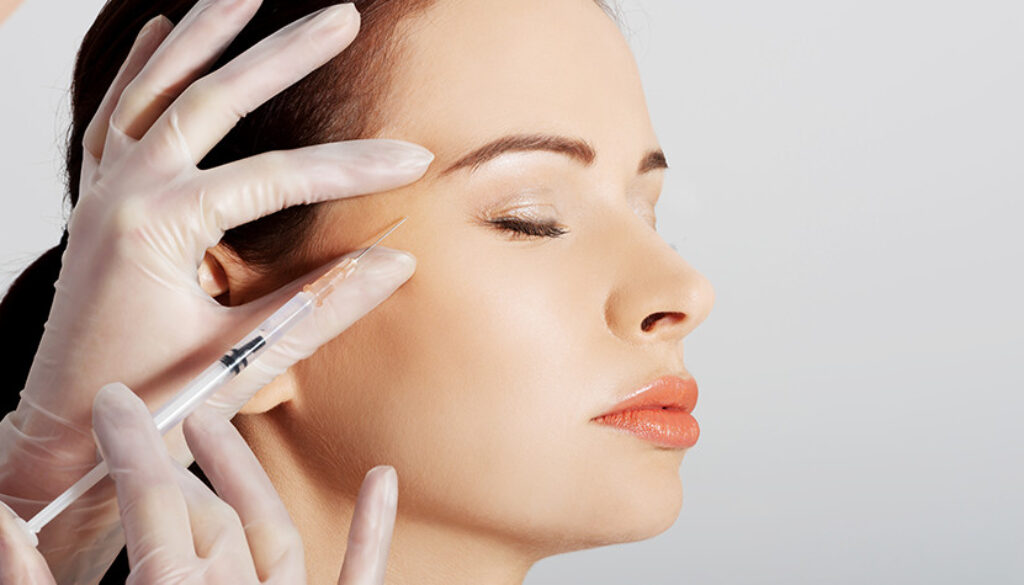
There are several non-surgical treatments on the market to help treat sagging skin or reduce the appearance of wrinkles, but it is important to use additional caution when applying any product near the eyes. Always make sure that the product is designed to be used in the predetermined area. If you have questions about a specific product, you should contact your health care provider.
Many individuals find that non-surgical options don’t have enough or any effect on their eyelids. In these instances, they can consider working with a licensed medical professional to weigh their options. Eyelid rejuvenation (blepharoplasty) is also commonly called an eye lift.
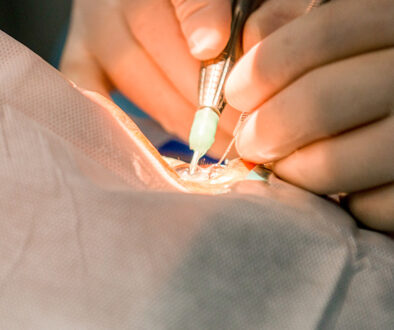
There are several different methods for achieving your desired results. Typically, an incision is made into the eyelid, and then the excess skin or fat cells are removed by laser or scalpel. Additionally, your surgeon may suggest that you also get laser resurfacing done in combination with your surgery.
The Functional Impact: When “Heavy Lids” Become a Vision Barrier
Many patients visit our Richmond clinic complaining of “tired eyes” or “late-afternoon headaches,” unaware that their eyelids are the primary culprit. When the skin of the upper eyelid loses elasticity—a condition medically known as dermatochalasis—it doesn’t just change your appearance; it acts like a window shade being pulled halfway down over your vision.
-
Peripheral Vision Loss: This excess skin often hangs over the eyelashes, subtly blocking your side and upward vision. This makes activities like driving or playing sports not just difficult, but potentially unsafe.
-
The “Brow Strain” Cycle: To compensate for heavy lids, you naturally use your forehead muscles to pull your eyebrows upward. Doing this for 12+ hours a day leads to chronic muscle fatigue, tension headaches, and deep forehead furrows.
The Eyelid-Dry Eye Connection: A Vital Link
At Frame & Focus Eye Care, we are leaders in dry eye treatment in Richmond, and we’ve found that eyelid position is the “secret ingredient” to a healthy tear film. Your eyelids function like windshield wipers; for them to work, they must make perfect contact with the eye surface.
-
The Mechanical Problem: If the lower lid sags (ectropion) or turns inward (entropion), the “wiper” misses the glass. This leaves parts of your eye exposed to air, causing rapid tear evaporation, stinging, and chronic redness.
-
Tear Drainage: Proper rejuvenation surgery ensures the eyelid sits flush against the eye, allowing tears to nourish the surface and drain correctly, rather than “spilling over” onto your cheeks.
Medical Necessity vs. Cosmetic Choice (The Insurance Guide)
One of the most frequent questions we hear is: “Will my insurance cover eyelid surgery?” The answer depends on the distinction between “cosmetic” and “functional” needs.
How We Prove Medical Necessity: To help you navigate insurance coverage, we typically perform specialized testing during your appointment:
-
Visual Field Testing: We measure your peripheral vision in its natural state.
-
The “Taped” Comparison: We gently tape the excess skin up to see how much your vision improves.
If the difference is significant (usually a 20-30% improvement), insurance providers often classify the procedure as medically necessary. This is common for patients whose sagging skin rests on the eyelashes or obscures the pupil.
What to Expect
Eyelid surgery can be done in a local office or a surgery center. If you are completing the operation in an office environment, you can probably expect that you will be treated with a local anesthetic and an oral sedative. If you are in a surgery center, you will likely receive an intravenous anesthetic. The surgery takes about two hours to complete if you are getting all four eyelids done (upper and lower lids). When you are getting all four eyelids corrected, the surgeon will likely opt to work on both upper eyelids first and then move to the lower eyelids. While the upper eyelids will have three to six stitches, the lower eyelids may not have any. The stitches should remain in place for three to six days.
Recovery
After the surgery is complete, you will need somebody to drive you home because you will have recently had an anesthetic, and it will not be safe to drive a vehicle. You should also plan to have somebody with you for the next few days to help you as you recover. It is a good idea to have items that you may want for your comfort already in place.
Common recovery items include:
- Ice cubes and packs
- Small gauze pads
- Eye drops
- Clean washcloths and towels
- Over-the-counter pain medication
However, be cautious about medications that contain aspirin because they increase the risk of bleeding.
Side effects are typically minor but include dry eyes and eye irritation, bleeding, bruising, the inability to fully close the eye, and a possible loss of vision. If any of these complications manifest during your recovery, be sure to contact your medical professional.
The Recovery Journey: A Day-by-Day Roadmap
Knowing what to expect during recovery reduces anxiety and helps you plan your schedule. While everyone heals differently, here is the typical timeline:
-
Days 1–3 (The “Chilled” Phase): Expect swelling and bruising. Using cold compresses for 10 minutes every hour is crucial.
-
Days 4–7 (The Turning Point): Stitches are usually removed. Most patients feel comfortable returning to remote work, though you may prefer wearing quality sunglasses outdoors to protect from light sensitivity.
-
Weeks 2–4 (Back to Life): Bruising typically fades. You can usually resume wearing contact lenses once cleared by your doctor.
-
Month 3 (The Reveal): Scars begin to fade into the natural folds of your lids, and your final “refreshed” look is fully visible.
Citations and Resources
The following authoritative medical resources were referenced in developing this comprehensive guide to eyelid rejuvenation surgery:
Primary Medical Resources
1. American Society of Plastic Surgeons – Eyelid Surgery Resource
- Description: Comprehensive medical resource providing detailed information about blepharoplasty procedures, candidacy requirements, surgical techniques, and recovery expectations. This physician-verified source offers evidence-based content from board-certified plastic surgeons.
2. American Academy of Ophthalmology – Ptosis and Eyelid Conditions
- Description: Clinical information about ptosis (drooping eyelids) and related medical conditions that may require surgical intervention. Provides the medical perspective on when eyelid surgery becomes medically necessary versus purely cosmetic.
“Are Your Eyelids Limiting Your Life?” Don’t let sagging eyelids compromise your safety or comfort. At Frame & Focus Eye Care, Dr. Sarah Zaver specializes in evaluating the functional impact of eyelid changes on your vision. Schedule a Comprehensive Eye Exam today to see if you qualify for a medically necessary rejuvenation and reclaim your clear field of view.
FAQs
-
Eyelid rejuvenation can restore peripheral vision impaired by sagging skin. It also helps relieve chronic eye strain, headaches, and sometimes treats severe dry eye symptoms.