Myopia Management
Myopia management uses specialized treatments like Ortho-K, Atropine drops, and multifocal lenses to actively slow the progression of nearsightedness in children, protecting them from future risks of retinal detachment and glaucoma. While standard glasses only correct vision, these clinical interventions address the physical elongation of the eye to preserve long-term sight.
Key Takeaways for Myopia Management
-
Myopia is a Threat, Not Just an Inconvenience: Progressive nearsightedness significantly increases the lifetime risk of serious, vision-threatening conditions (like retinal detachment and glaucoma). Management is vital for long-term health, not just clear sight.
-
Act Early, Maximize Benefits: The most effective time to intervene is during childhood and young adulthood. Slowing myopia progression today provides the greatest protection for your child’s future vision.
Schedule a Myopia Risk Assessment
-
Personalized, Proven Treatments: Effective solutions are available and tailored to lifestyle, including Ortho-K (nighttime lenses for all-day clarity), Atropine eye drops (excellent for children), and specialized Multifocal Lenses.
-
Next Step: Comprehensive Assessment: If you notice your child struggling with distant objects or exhibiting changes in behavior/school performance, schedule a specialized Myopia Management consultation immediately.
Myopia is a very common issue throughout the world. Approximately 1/3 of the population in the United States has the condition, and over 90% of several East Asian countries suffer from myopia. While myopia may seem like such a common condition that it shouldn’t be cause for concern, it is actually associated with several very serious conditions that can threaten one’s ability to see.
What is Myopia
Myopia, more commonly known as nearsightedness, is a condition where individuals are able to see objects that are close to them but may have difficulty distinguishing things at a distance, such as road signs or leaves on a tree. These individuals often squint at objects that are further away to try and help bring them into focus.
Currently, there is no known cure for myopia, and recent studies suggest that the more advanced your myopia gets, the more serious the effects can be on your vision. This has led eye professionals to look for ways to slow the progression of myopia in children and young adults, as the eyes typically change more rapidly during this time, and slowing down myopia progression during these years has a huge payoff.
The Myopia Risk Assessment
The Medical Reality: Why a Stronger Prescription Isn’t the Only Answer
As an optometrist, I often hear parents ask, “Can’t we just get a stronger pair of glasses?” While traditional glasses clear up your child’s vision today, they don’t address the underlying issue: the physical lengthening of the eye, known as axial elongation. When the eye grows too long, its internal structures are stretched thin, significantly increasing the risk of serious conditions later in life.
At Frame & Focus Eye Care, we look beyond the vision chart. We know that high myopia risks (typically prescriptions over -5.00) are linked to:
-
Retinal Detachment: A 10x higher risk than those with normal vision.
-
Glaucoma: Increased internal eye pressure that can lead to permanent nerve damage.
-
Myopic Macular Degeneration: A leading cause of preventable blindness in high myopes.
Why this matters: By intervening now, we aren’t just helping your child see the whiteboard; we are protecting their sight for when they are 50, 60, and 70. This is the core of the importance of myopia management.
Types of Myopia Control
There are a few different treatments for myopia that have proven to be effective in a number of studies. Of course, to ensure you find the most effective choice for you, be sure to visit your eye doctor so they can review your case and recommend the best options for you.
Ortho-K or Orthokeratology is one practice being used to slow down the progression of myopia. Ortho-K utilizes a special rigid gas-permeable contact lens that is placed into the eyes just before you go to bed. This hard lens helps to gently hold your eye in the proper shape throughout the night. Then, when you wake up in the morning and remove the lenses, your eye continues to maintain that shape. This means that nearsighted people can see clearly throughout the day, even without wearing contact lenses or glasses. This approach is often preferred for athletes or other active individuals.
Atropine Eye Drops | One of the thoughts about the progression of myopia is that it is associated with eye strain. The additional stresses that are placed on the eye when straining push the eye further out of its proper shape. Atropine eye drops are specifically designed to help stop the eye from straining and help the muscles relax. Atropine is similar to the eye drops that are used when you get your eyes dilated, but lasts throughout the entire day rather than just a few hours. Atropine dilates the pupil of the eye and prevents it from closing too tightly and limiting your vision. This treatment is especially effective in slowing the progression of myopia in children.
Multifocal Eyeglasses and Contact Lenses | These specialty contact lenses are designed to help reduce strain on the eyes. They have shown great success at slowing the progression of myopia over three years when compared with individuals who wore a standard prescription lens.
The Digital Dilemma (Lifestyle Integration)
Screen Time vs. Sunshine: Practical Tips for Richmond Parents
In our digitally-driven world, “near work” on tablets and phones is a major contributor to myopia. However, we know kids need these tools for school. The goal isn’t to ban screens, but to balance them with the natural “eye-growth regulator”: Sunlight.
Research suggests that 90–120 minutes of outdoor light daily can help slow the onset of nearsightedness. Here is how you can manage the impact of technology and screen time at home:
-
The 20-20-20 Rule: Every 20 minutes, have your child look at something 20 feet away for 20 seconds.
-
The Elbow Rule: Maintain at least an “elbow’s length” distance (12–14 inches) between the eyes and the screen.
-
Outdoor Play: Sunlight triggers dopamine release in the retina, which acts as a natural “stop signal” for excessive eye growth.
Treatment Comparison (The Decision Helper)
Choosing the Right Path: Ortho-K, Atropine, or Multifocals?
Every child’s lifestyle is unique. During our pediatric eye exams, we weigh the pros and cons of each treatment to find the “perfect fit.”
| Treatment | How it Works | Best For… |
| Ortho-K | Overnight “retainer” lenses worn while sleeping. | Active kids, swimmers, and those wanting to be “glasses-free” all day. |
| Atropine Drops | Low-dose medicated drops used once daily at bedtime. | Younger children or those not yet ready for contact lenses. |
| Multifocal Lenses | Specialized glasses or soft contacts that reduce eye fatigue. | Children who prefer standard eyeglasses for children. |
Expert Insight: In my clinical experience, children as young as 8 can be highly successful with specialty contact lenses when provided with the right coaching from our team.

External Resources & Citations
-
International Myopia Institute (IMI): A leading global resource for evidence-based research and clinical guidelines on myopia control. Their 2025 white papers offer the most current consensus on treatment efficacy.
-
American Academy of Ophthalmology (AAO): Provides clinical statements and peer-reviewed articles on the long-term risks associated with progressive myopia, underscoring the necessity of early intervention.
What to Expect During Your Consultation
Your First Visit: A Specialized Approach at Frame & Focus
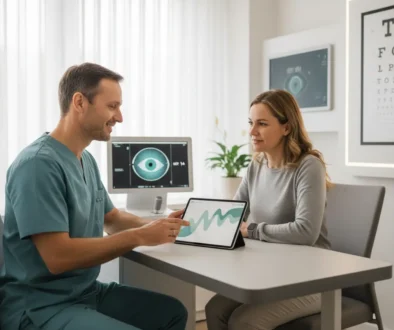
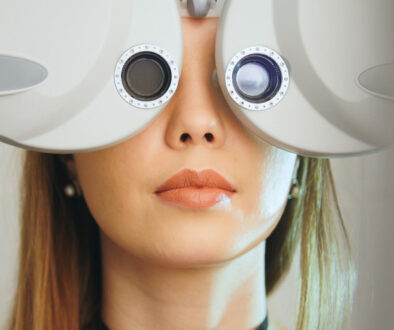
A myopia management exam is more detailed than a standard “which is better, one or two?” vision test. When you bring your child to see us for myopia control in Richmond, TX, we use medical-grade technology to create a health baseline:
-
Corneal Mapping: We use a topographer to create a 3D “map” of the eye’s surface—essential for fitting Ortho-K.
-
Axial Length Measurement: We track the actual length of the eye to see if treatment is working effectively over time.
-
The Roadmap: We provide a multi-year plan tailored to your child’s specific rate of progression.
Overview
If you notice that your child is having a difficult time seeing objects that are far away, contact us today to schedule an appointment. Many parents notice changes in their children with their behavior or grades at school, their ability to play sports, or that they may even be pulling back from playing with friends. Treating myopia as quickly as possible can help to reduce your child’s chances of developing a serious eye condition that can threaten their ability to see the world around them.
Our Promise: You won’t leave feeling overwhelmed by medical jargon. We believe in “Straight Talk”—explaining your child’s health in a way that makes you feel like an empowered partner in their care. Contact us today to start your child’s journey toward clearer, healthier vision.
FAQs
-
Myopia management is a specialized strategy used to slow down the progression of nearsightedness in children. Its primary goal is to preserve long-term ocular health and reduce the risk of serious eye diseases.