Cataract Care Guide
If you’ve been diagnosed with cataracts, proactive steps can delay surgery. Learn five science-backed ways to slow progression and preserve your vision now.
Key Takeaways: Taking Control of Your Cataract Health
Implementing these proactive, lifestyle-based strategies can help you manage your diagnosis, slow the progression of cataracts, and potentially delay the need for surgery.
-
Shield Your Eyes Daily: UV and HEV rays accelerate progression. Always wear high-quality, wraparound sunglasses, even on cloudy days, and be extra cautious during peak hours (10 am to 4 pm).
-
Review Your Medications: Speak with your Optometrist about non-steroid alternatives for eye conditions, and confirm with your primary care physician that your current medications won’t negatively impact your cataracts.
-
Commit to Quitting Smoking: Eliminating tobacco use is one of the most powerful steps you can take, as smoking significantly increases the risk and progression speed of cataract development.
-
Fuel Your Eye Health: Adopt a diet rich in antioxidants (dark chocolate, berries, kale, pecans) and Omega-3 fatty acids (fish). Minimize processed carbohydrates to support holistic eye and health management.
-
Schedule Regular Checkups: Proactive and consistent communication with your doctor, coupled with regular comprehensive eye exams, is essential for monitoring the condition and adjusting your preventative plan over time.
If you’ve been diagnosed with cataracts, you may wonder if cataract surgery is right around the corner. Not to worry. There are many preventive steps you can take to slow the progression of cataracts and preserve your vision. That doesn’t mean you won’t eventually need surgery, but you can at least delay the need for quite a while.
Understanding Your Diagnosis: The 4 Stages of Cataract Progression
Many patients ask Dr. Sarah Zaver if their cataract is “ripe” enough for surgery. While we no longer wait for cataracts to reach a certain density to treat them, understanding where you are in the journey helps us customize your care plan.
-
Stage 1: Early Cataract: The lens is mostly clear, but you may notice slight blurring. Often, a Comprehensive Eye Exam and a new prescription are all you need.
-
Stage 2: Immature Cataract: The center of the lens begins to cloud. You’ll notice increased glare and need brighter light for reading.
-
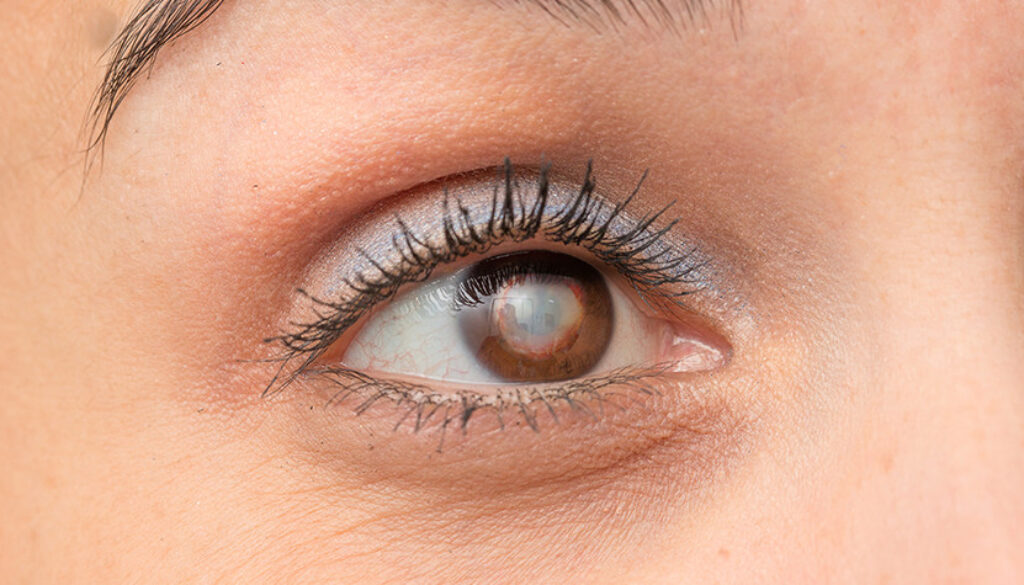
Stage 3: Mature Cataract: The lens is noticeably opaque. Daily activities like recognizing faces or cooking become difficult. This is the most common time for surgery.
-
Stage 4: Hypermature Cataract: The cataract is very dense. If left untreated, it can lead to inflammation or increased eye pressure. If you experience sudden changes, visit our Emergency Eye Care page immediately.
Living with Cataracts: Daily Life Hacks
If you are currently monitoring your cataracts and aren’t ready for surgery, you can still optimize your environment to stay safe and comfortable.
-
Smart Lighting: Swap standard bulbs for “Daylight” LED bulbs (5000K). The increased contrast makes reading significantly easier.
-
Anti-Glare Solutions: Reflections can be brutal. If you wear glasses, ensure they have a high-quality anti-reflective coating. This is especially helpful if you also struggle with Dry Eye Syndrome, as light sensitivity is often doubled.
-
Shield the Eyes: UV rays accelerate cataract growth. Always wear 100% UV-protected sunglasses when outdoors in the Texas sun. Check out our Frames We Carry for stylish, protective options.
Choosing Your Lens: IOL Options for Your Lifestyle
Modern cataract surgery allows us to replace your cloudy lens with a high-tech Intraocular Lens (IOL). Think of this as a permanent internal contact lens.
-
Monofocal Lenses: Great for those who don’t mind wearing reading glasses but want crisp distance vision.
-
Multifocal & Trifocal Lenses: Designed for active Richmond professionals who want to see their dashboard, their phone, and the road without reaching for glasses.
-
Toric Lenses: If you have astigmatism, these lenses correct it during the cataract procedure.
-
Specialty Options: For those with unique eye shapes, we also offer expertise in Specialty Contact Lenses for post-surgical fine-tuning if needed.
Protect Your Eyes from the Sun
The National Eye Institute recommends protecting your eyes from the sun’s harmful ultraviolet (UV) and high-energy visible (HEV) rays by always wearing good-quality sunglasses while outdoors. Look for sunglasses that block 100 percent of UV rays and absorb most HEV rays with large lenses or a close-fitting wraparound style. Remember that the peak hours for sun exposure are between 10 am and 3 pm or 11 am and 4 pm during daylight savings time, and that the sun’s rays are strong enough to pass through clouds, so you need your sunglasses every day.
Avoid Steroid Eye Drops
Steroid eye drops are routinely prescribed to treat dry eyes or an arthritic flare-up in the eyes. Unfortunately, they can also speed up the progression of cataracts. Talk to your Optometrist about how you can manage both conditions without inadvertently making your cataracts worse – and hastening the need for surgery.
The First 48 Hours: Your Post-Op Roadmap
The procedure is quick, but the first two days of recovery set the stage for your long-term results. Here is your “Golden Rule” checklist for a safe recovery:
-
Use Your Drops: Follow the schedule for your antibiotic and anti-inflammatory drops exactly.
-
Hands Off: It’s tempting to rub your eye if it feels “gritty,” but don’t. This is often just a temporary side effect similar to Dry Eye and will subside.
-
The “No-Pressure” Rule: No heavy lifting (over 15 lbs) and no bending over at the waist for the first 48 hours to keep eye pressure stable.
-
Watch for Red Flags: While rare, if you see “flashes” or a sudden “curtain” in your vision, contact us for Emergency Care immediately.
Check Your Medications
There are over 300 commonly prescribed medications with side effects that may impact cataract progression. Since your primary care physician may not have access to your eye doctor’s medical records, be sure to ask your doctor if your current medications will affect your cataracts. If you must stay on the medication, it’s even more important to avoid sunlight during peak hours and to wear sunglasses.
Quit Smoking
If you haven’t quit already, here’s another good reason to do it: over time, the damage from smoking can double or triple an individual’s risk of developing cataracts. If you’ve been a smoker, your habit was probably a big contributor to the diagnosis. The good news is – by quitting smoking now, you can slow the progression of cataracts.
Follow Eye Health Diet Guidelines
Studies have shown that certain vitamins and nutrients may reduce age-related decline in eye health, particularly antioxidants. If you’ve already been diagnosed with cataracts, adding foods rich in antioxidants to your diet will help slow the progression. This list isn’t exhaustive, but here are some examples to get you started: dark chocolate, blueberries, strawberries, pecans, carrots, sweet potatoes, artichokes, kale, red cabbage, beans, beets, spinach, apples, and plums.
Doctors also recommend eating more fish high in omega-3 fatty acids. This has been linked to a potentially reduced risk of cataracts or their progression. You may also consider taking a multivitamin that contains Vitamin C and E. Talk to your doctor or nutritionist about how you might adopt a healthy eating plan that’s designed to prevent cataracts.
Fortunately, making these healthy modifications to your diet can prevent many other lifestyle diseases, such as diabetes. Studies have shown that a diet rich in processed carbohydrates can increase your risk of both developing cataracts and speeding up their progression. It’s important to develop a plan that works for you and supports your holistic health.
Resources & Citations
For more detailed information on preventing cataract progression, consult these authoritative sources:
-
Protecting Your Eyes from the Sun: National Eye Institute (NEI) on UV Protection
-
Diet and Eye Health: American Academy of Ophthalmology (AAO) on Nutrition
Take control of your cataract diagnosis by getting regular eye exams, communicating with your doctor, and putting these tips into practice. You’ll have better vision and prevent the need for cataract surgery in the near future.
Ready to See the Difference?
Whether you are just starting to notice blurry vision or you are ready to schedule your surgery, the team at Frame & Focus Eye Care is here to guide you with “Straight Talk” and state-of-the-art technology.
Book Your Comprehensive Cataract Evaluation with Dr. Zaver Today
FAQs
-
Cataract progression varies greatly, often taking several years. Factors like diabetes, smoking, UV exposure, and steroid use can significantly speed up the process.