Corneal Refractive Therapy
Achieve up to 48 hours of clear, prescription-free vision without daytime contacts or surgery through Corneal Refractive Therapy (CRT). This non-invasive, overnight solution gently reshapes your eyes while you sleep, providing Richmond families with a safe way to correct vision and actively slow the progression of myopia.
[Schedule a Myopia Management Consultation]
Key Takeaways: CRT for Vision Freedom and Health
-
Ditch Glasses and Contacts: CRT offers 48 hours of clear vision after one night’s wear, providing complete freedom during the day for active lifestyles, sports, or demanding jobs.
-
The Myopia Control Advantage: Beyond correcting vision, CRT is a powerful tool to actively slow the progression of nearsightedness, which is essential for protecting children’s long-term eye health.
-
Lower Future Health Risks: By keeping your or your child’s prescription stable, CRT significantly reduces the likelihood of developing serious conditions associated with high myopia, such as glaucoma or detached retina.
-
Non-Invasive and Safe: The treatment is a non-surgical, painless process using specialized, gas-permeable lenses worn only while you sleep.
-
Reversible Results: The effects are not permanent; if you stop wearing the lenses, your vision will gradually return to its original state, making it a low-commitment option.
-
Who is a Candidate? CRT is ideal for patients with specific myopia/astigmatism parameters, stable vision, healthy eyes, and those who are not suited for traditional laser vision correction.
The CRT Adaptation Roadmap: What to Expect in the First 14 Days
One of the most common questions we hear at our Richmond office is, “How fast will I see results?” While CRT begins working after the very first night, your eyes undergo a gentle transformation over two weeks.
-
Nights 1–3: The Transition Phase. You may experience “ghosting” or slight halos around lights. This is a normal sign that your cornea is beginning to reshape.
-
Days 4–7: Functional Freedom. Most patients achieve functional daytime vision, meaning you can perform daily tasks comfortably without glasses.
-
Day 14: The Milestone. By the end of two weeks, your vision typically reaches its peak stability. You’ll enjoy crisp, 20/20 clarity that lasts from morning until bedtime.

Understanding refractive eye problems
Refractive eye problems like nearsightedness, farsightedness, and astigmatism are extremely common, with nearsightedness – also known as myopia – being the most common of all. Patients with myopia can see nearby objects clearly, but those further away become progressively more blurred. Refractive eye errors occur when the shape of the clear dome covering the front part of the eye, called the cornea, impairs the light-bending and focusing process in your eyes. This leads to the light ending up in the wrong place inside the eye, and the message that is sent to our brain from our eyes is muddled, causing blurred vision.
What is corneal refractive therapy?
Corneal refractive therapy was initially developed as a treatment to correct and slow the progression of nearsightedness. However, it has also been found to be effective at controlling other refractive errors, including farsightedness, astigmatism, and an age-related refractive condition called presbyopia.
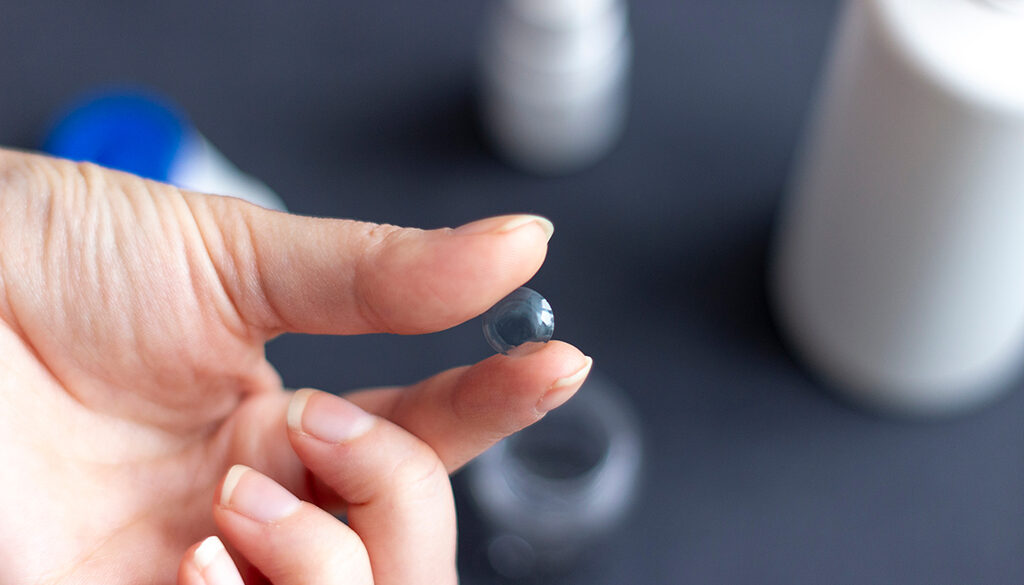
CRT is a non-invasive, painless, and straightforward method of correcting patient vision so that they don’t need to wear contacts or glasses, and they don’t need laser vision correction surgery to see clearly. CRT uses special contact lenses that are worn overnight and apply light pressure to the cornea in order to reshape it so that light is refracted correctly, and the image sent from the eyes to the brain is clear. The cornea can retain this new shape even after the contact lenses are removed the next morning, meaning that you can continue to see clearly for several hours. The more consistently you wear your CRT lenses overnight, the longer your eyes will learn to retain their new shape, and eventually, patients can enjoy up to 48 hours of clear vision without using prescription lenses. However, the effects aren’t permanent, so if you stop wearing the lenses, your vision will gradually return to normal over the course of a few days.
CRT vs. MiSight vs. Atropine: Choosing the Right Path for Your Child
If you are a Family Guardian concerned about your child’s increasing prescription, you likely have questions about the different myopia control options available today.
-
CRT (Overnight Lenses): Ideal for active kids and swimmers. Since the lenses are only worn at home, there’s no risk of losing a contact lens at school or on the field.
-
MiSight (Daytime Soft Lenses): A great option for children who prefer a traditional contact lens feel and are comfortable handling lenses during the day.
-
Atropine Drops: Often used as a standalone treatment or in combination with CRT for children whose myopia is progressing rapidly despite lens wear.
Why Richmond parents choose CRT: It offers a “no-lens” lifestyle during the day, which is a massive advantage for the hot, active Texas climate and local youth sports.
Slowing the progression of myopia with corneal refractive therapy
Another key benefit of CRT is that it can actually help to slow the progression of myopia. Most people who are nearsighted find that their eyesight gets progressively worse as they get older. This deterioration may not be rapid, but it can end in patients requiring high prescriptions. Studies have found that patients who have high myopia are more likely to develop serious eye problems in the future, including glaucoma, macular degeneration, cataracts, and a detached retina. Regular use of your corneal refractive therapy lenses could help keep your prescription stable and lower your risk of developing these problems.
Am I a candidate for corneal refractive therapy?
You may be a candidate for corneal refractive therapy if you:
- Have a myopia prescription within specific parameters
- Have a prescription for hyperopia, presbyopia, or astigmatism within specific parameters
- Have stable vision, which means that your prescription hasn’t changed during the last two years
- You are not a suitable candidate for laser vision correction
- Have a job that makes it impractical or unsafe to wear glasses or contact lenses
- Enjoy hobbies that make it impractical or unsafe to wear glasses or contact lenses
- Have healthy eyes and are generally in good health
The Science of Myopia Management: Protecting Long-Term Health
Many patients assume CRT is just about “fixing” blurred vision. However, its most important role is therapeutic. CRT lenses utilize Peripheral Myopic Defocus.
While the center of the lens clears your central vision, the specialized “return zone” of the lens creates a slight defocus on your peripheral retina. This acts as a biological “stop signal,” telling the eye to stop growing longer (axial elongation).
The Health ROI: By slowing this growth, we significantly reduce the lifetime risk of serious conditions like:
-
Retinal Detachment
-
Glaucoma
-
Diabetic Retinopathy Complications
-
Early-onset Cataracts
Safety First: Long-Term Clinical Insights
Is wearing a lens overnight safe? The answer is a definitive yes. Clinical data spanning over 18 years show that when fitted by an expert like Dr. Zaver and maintained with proper hygiene, CRT is as safe as wearing standard daytime contact lenses.
At Frame & Focus, we exclusively use high-oxygen permeability (Dk) materials for our specialty contact lenses. This ensures your cornea “breathes” throughout the night, maintaining the health of the eye’s surface while it gently reshapes.
Safety Checklist for Success:
-
Always wash and dry your hands before handling lenses.
-
Use the recommended cleaning solutions (never tap water!).
-
Replace your lens case every 3 months.
-
If your eye is ever red or painful, contact us for emergency eye care immediately.
Resources and Citations
-
Safety and Effectiveness of Orthokeratology (CRT): A comprehensive review covering the evidence-based safety profile and clinical outcomes of Corneal Refractive Therapy for correcting myopia and managing progression.
-
Myopia Control for Children: This resource provides evidence and guidelines on various myopia management techniques, positioning CRT (often called Ortho-K) as a key method for slowing the rate of nearsightedness in pediatric patients.
Protect Your Child’s Future Vision Today. Don’t just correct your child’s vision—actively protect it. Join the hundreds of Richmond families who trust Dr. Sarah Zaver to slow the progression of nearsightedness with personalized CRT therapy.
[Schedule a Myopia Management Consultation] Or call us at (832) 930-7797 to speak with our pediatric vision specialists.
FAQs
-
CRT, or Ortho-K, uses custom-designed, gas-permeable lenses worn overnight to gently reshape the cornea, providing clear vision during the day without glasses or contacts.