
Diabetic Eye Exams
Protecting Your Vision for Life
Early detection saves sight—comprehensive diabetic eye care when you need it most.
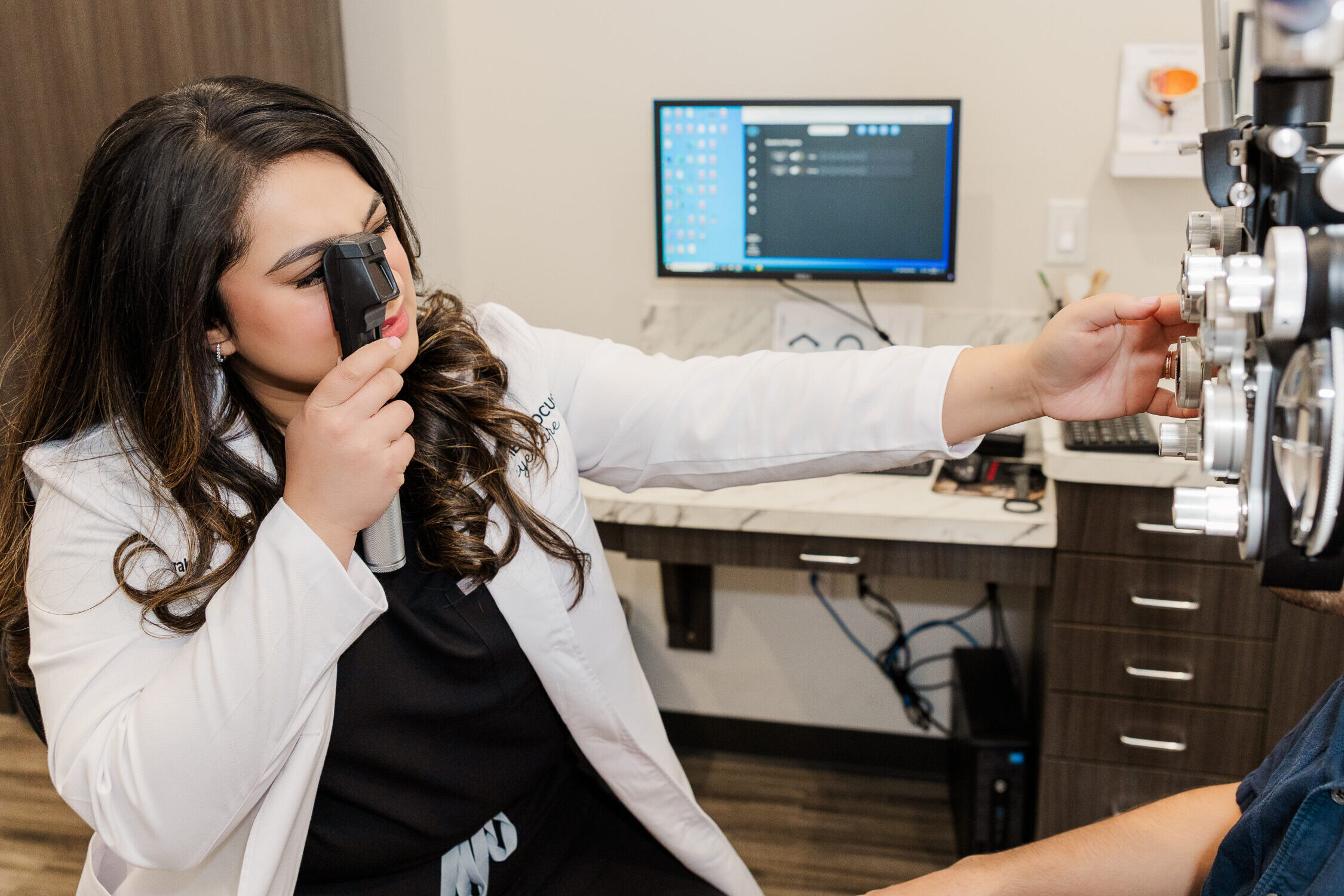
Understanding Diabetic Retinopathy
Your retina is like the film in a camera—a thin layer of light-sensitive tissue at the back of your eye that captures images and sends them to your brain. This remarkable tissue requires a constant supply of oxygen and nutrients delivered through a network of tiny, delicate blood vessels.
When diabetes strikes your eyes:
- High blood sugar levels damage these delicate blood vessels
- Damaged vessels begin to leak blood and fluid onto the retina
- The retina swells and becomes starved of oxygen
- New, abnormal blood vessels may grow, causing further complications
- Scar tissue can form, potentially leading to retinal detachment
The progression is often silent, which is why regular monitoring is absolutely critical for anyone with diabetes.
Are You at Risk?
While anyone with diabetes can develop diabetic retinopathy, certain factors significantly increase your risk:
Poor blood sugar control
The most significant risk factor you can influence
Duration of diabetes
Risk increases with each year you’ve had diabetes
High blood pressure
Doubles the damage to your blood vessels
High cholesterol
Accelerates blood vessel deterioration
Pregnancy
Hormonal changes can rapidly worsen diabetic eye disease
Smoking
Dramatically increases complications
The Reality Check
If you’ve had diabetes for 10 years or more, you have up to an 80% chance of developing some degree of diabetic retinopathy. However, with proper management and regular monitoring, severe vision loss is largely preventable.
Why Diabetic Eye Exams Are Non-Negotiable
Think of diabetic eye exams as an early warning system for your vision.
Just as you monitor your blood sugar levels to prevent complications, eye exams monitor your retinal health to catch problems when they’re most treatable.
Early Detection
Problems are identified months or years before symptoms appear
Prevention Focus
Treatments work best when started early
Monitoring Changes
Track progression and treatment effectiveness
Comprehensive Assessment
Evaluate multiple aspects of eye health simultaneously
The Time Factor
Early-stage diabetic retinopathy can often be managed with improved diabetes control and lifestyle changes. Advanced stages may require laser treatments, injections, or surgery—making early detection crucial for preserving your quality of life.
Your Diabetic Eye Exam
What to Expect
Understanding what happens during your diabetic eye exam can ease anxiety and ensure you get the most from your exam.
Preparation and Dilation
Your eye doctor will place special eye drops in your eyes to dilate (widen) your pupils. This allows for a comprehensive view of your retina and blood vessels.
The dilation effects typically last 2-4 hours, so plan to have someone drive you home or arrange alternative transportation.
After your exam, your eye doctor will explain your results and what they mean for your vision health.
The Bottom Line: Your Vision is Worth Protecting
Diabetic eye disease is serious, but it’s not inevitable. With proper care, monitoring, and treatment, most people with diabetes can maintain good vision throughout their lives.
Remember:
- Early detection saves vision
- Treatment options are more effective than ever
- You have significant control over your risk through diabetes management
- Regular eye exams are one of the most important investments you can make in your future
Don’t wait for symptoms—by then, it may be too late.
Ready to take the next step in protecting your vision? Schedule your eye exam today.