Eyeglass Prescription Changes: Richmond Eye Care Guide 2026
In Texas, most eyeglass prescriptions are valid for one to two years, though 2025 research shows that 10.7% of adults now require more frequent updates due to digital eye strain. This guide provides the 2026 standards for Richmond residents to determine if your vision changes require a new exam or if your current glasses still meet Texas safety regulations.
Understanding Prescription Changes: Why Your Vision Evolves
Your eyes are dynamic organs that continue changing throughout your lifetime. Unlike a pair of shoes that fit the same way for years, your vision prescription reflects the current state of your eye health and visual needs.
The Science Behind Vision Changes
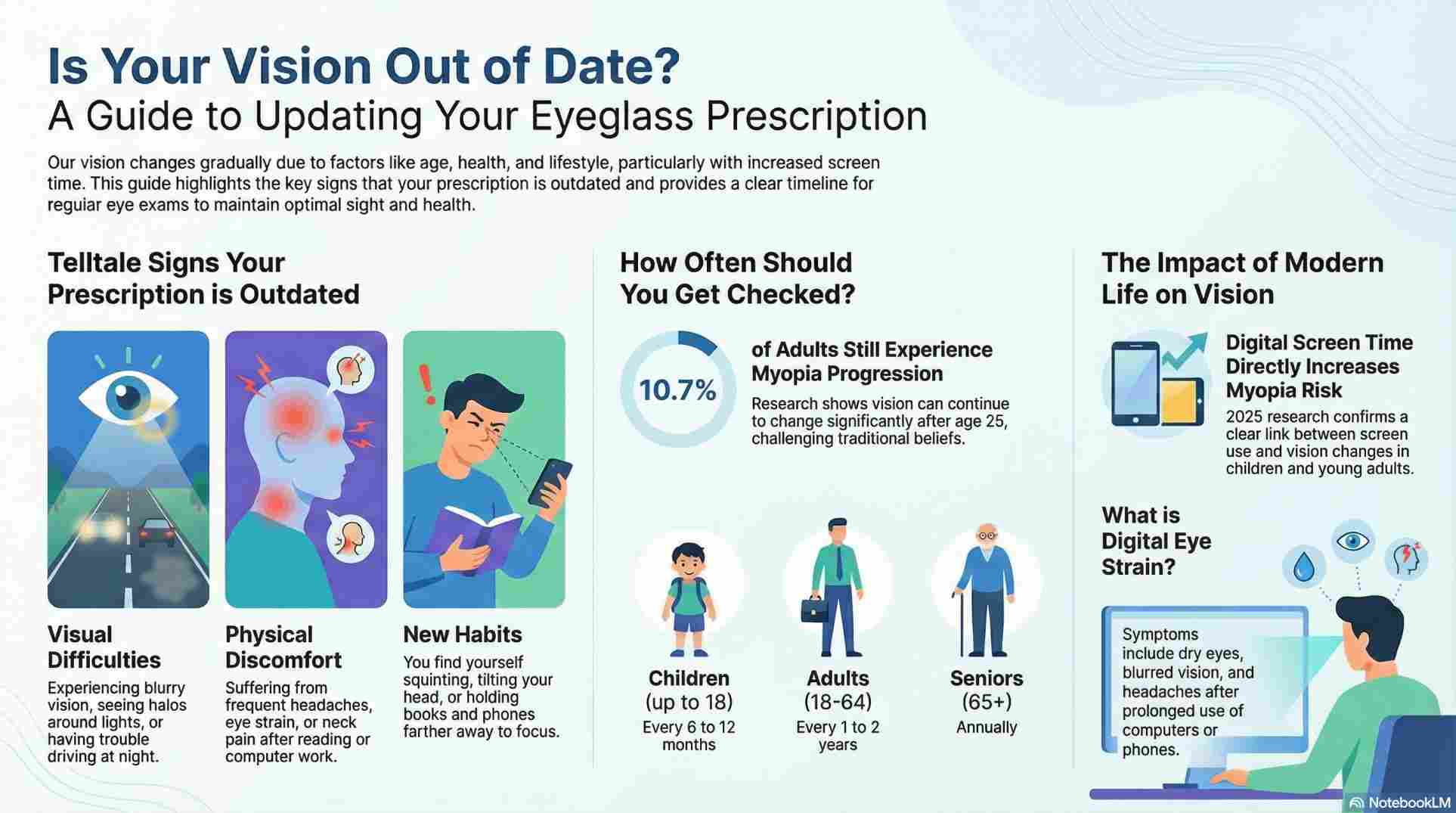
Recent 2025 research published in JAMA Network Open demonstrates that digital screen time directly correlates with increased myopia risk, particularly in children and young adults. This groundbreaking study, involving over 5,000 participants, demonstrates that our modern lifestyle has a significant impact on prescription stability.
Key factors causing prescription changes include:
- Natural aging processes: Your eye lens becomes less flexible over time
- Digital device usage: Extended screen time alters focusing patterns
- Environmental factors: UV exposure, air quality, and lighting conditions
- Health conditions: Diabetes, hypertension, and hormonal changes
- Lifestyle modifications: New job demands, hobbies, or daily routines
Why Prescription Stability Varies by Individual
Dr. Sarah Zaver, our lead optometrist with over a decade of experience serving the Houston area, explains: “Every patient’s prescription journey is unique. Some adults maintain stable vision for years, while others experience gradual changes that require annual updates. The key is understanding your individual pattern and staying proactive about regular monitoring.”
Clear Signs You Need an Eyeglass Prescription Update
Immediate Warning Signs
Visual Symptoms:
- Blurred vision despite wearing current glasses
- Difficulty reading small print or seeing distant objects clearly
- Double vision or seeing halos around lights
- Poor night vision or increased glare sensitivity
Physical Discomfort:
- Frequent headaches, especially after reading or computer work
- Eye strain or fatigue by day’s end
- Neck pain or shoulder tension (often from compensatory posturing)
- Dry, irritated eyes
Behavioral Changes to Monitor
You might be unconsciously:
- Squinting to improve focus
- Holding books or phones at arm’s length
- Tilting your head to find a “sweet spot” for clear vision
- Avoiding activities that require clear sight
The Richmond, TX Perspective
Living in Richmond and surrounding communities like Sugar Land and Rosenberg means dealing with specific environmental challenges. Our bright Texas sun, seasonal allergies, and the area’s growing tech industry create unique visual demands that may require more frequent prescription adjustments.
How Often Should You Update Your Glasses Prescription?
General Guidelines by Age Group
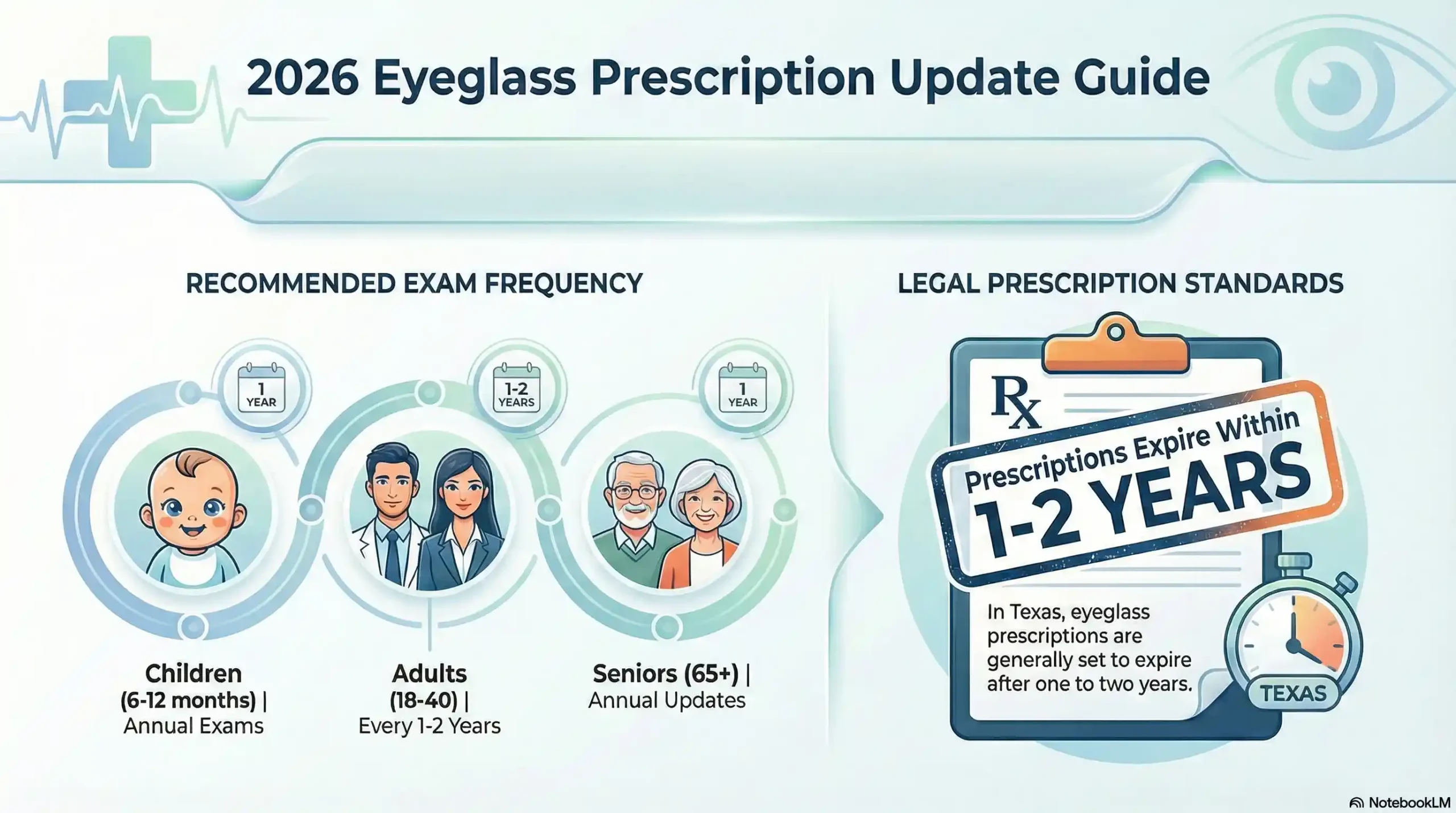
Children (6 months – 18 years):
- Every 6 months to 1 year
- Children’s eyes grow rapidly, requiring frequent monitoring
- School performance often provides early warning signs
Young Adults (18-40 years):
- Every 1-2 years for a stable glasses prescription
- Annual eyeglass prescription update if experiencing digital eye strain
- More frequent monitoring for progressive myopia
Middle Age (40-65 years):
- Annual glasses prescription exams as presbyopia develops
- Increased monitoring for emerging eye conditions
- Workplace vision demands may necessitate specialized lenses
Seniors (65+ years):
- Annual comprehensive eyeglass prescription update
- Semi-annual monitoring for certain conditions
- Priority focus on disease prevention and safety
State Regulations and Prescription Validity
In Texas, glasses prescription validity typically expires after 1-2 years, depending on your eye doctor’s assessment and individual risk factors. At Frame & Focus Eye Care, we tailor glasses prescription expiration dates based on:
- Your age and prescription stability
- Overall health status
- Family history of eye conditions
- Lifestyle and occupational demands
2025 Research Updates on Prescription Frequency
According to recent ARVO (Association for Research in Vision and Ophthalmology) 2025 findings, approximately 10.7% of adults experience significant myopia progression requiring eyeglass prescription update. This research challenges the traditional assumption that adult glasses prescription needs remain stable after age 25.
The 2025 Eye Exam: What to Expect
Advanced Technology at Frame & Focus Eye Care
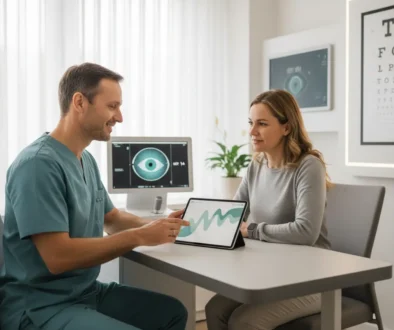
Our state-of-the-art diagnostic equipment goes far beyond the traditional eye chart. We utilize:
Retinal Photography: “We snap photos of the backs of your eyes” to detect early signs of conditions like diabetic retinopathy, glaucoma, and macular degeneration.
Digital Refraction Systems: Precise measurements that account for how your eyes work together, not just individual eye strength.
Corneal Topography: Detailed mapping for contact lens fittings and astigmatism management.
Our Patient-Centered Examination Process
1. Comprehensive Health History We discuss your visual goals, work demands, recreational activities, and any symptoms you’ve experienced.
2. Visual Acuity Testing Beyond the standard eye chart, we assess how well you see at various distances and lighting conditions.
3. Glasses Prescription Assessment: Determining your exact glasses prescription needs using both automated and manual techniques.
4. Eye Health Evaluation: Thorough examination of eye structures to detect diseases in their earliest stages.
5. Personalized Treatment Planning Dr. Zaver explains findings in “straight talk”—no confusing medical jargon—and develops a customized care plan.
What Makes Our Approach Different
“We explain vision conditions in words you’ll actually understand,” says Dr. Zaver. “Our goal is to empower patients with clear information, not overwhelm them with technical terms. Every examination is thorough because your long-term eye health deserves comprehensive attention.”
Age-Related Vision Changes: From Children to Seniors
Pediatric Vision Development (Birth to 18 years)
Infancy to Preschool (6 months – 5 years): Children’s first eye exam should occur at 6 months, with follow-ups every 6 months until age 2. During this critical period, we monitor:
- Proper eye alignment and movement
- Development of depth perception
- Early detection of refractive errors
School Age (6-12 years): Annual exams become crucial as academic demands increase. Warning signs include:
- Sitting too close to screens or books
- Frequent eye rubbing or blinking
- Avoiding reading or homework
- Tilting head while reading
Teenagers (13-18 years): Prescription changes often accelerate during growth spurts. Modern concerns include:
- Increased myopia from digital device usage
- Sports vision requirements
- Contact lens candidacy
- Early presbyopia in rare cases
Adult Vision Evolution (19-64 years)
Young Adults (19-39 years): Traditionally considered the most stable vision period, recent research shows this is changing. Factors include:
- Extended computer work causes digital eye strain
- Career demands requiring specific visual skills
- Lifestyle changes affecting prescription needs
Presbyopia Onset (40-65 years): The most predictable vision change, presbyopia affects over one-third of Americans. Signs include:
- Difficulty reading restaurant menus
- Needing more light for close work
- Holding phones farther away
- Eye fatigue during detailed tasks
Senior Vision Care (65+ years)
Priority Areas:
- Cataract development monitoring
- Glaucoma screening and management
- Macular degeneration prevention
- Diabetic retinopathy assessment (for diabetic patients)
Frame & Focus Approach: We provide comprehensive care addressing both vision correction and eye disease prevention, ensuring our senior patients maintain independence and quality of life.
Digital Eye Strain and Modern Prescription Needs
The 2025 Digital Reality
Recent JAMA Network Open research confirms what eye care professionals have observed: increased screen time directly correlates with myopia development and progression. For Richmond’s growing tech workforce and students learning remotely, this represents a significant concern.
Symptoms of Digital Eye Strain
Immediate Effects:
- Dry, irritated eyes
- Blurred vision after screen use
- Headaches and neck pain
- Difficulty refocusing between the screen and the distance
Long-term Implications:
- Accelerated myopia progression
- More frequent eyeglass prescription update needs
- Earlier onset of presbyopia symptoms
- Chronic eye discomfort
Modern Solutions We Offer
Blue Light Filtering Lenses: While research continues on blue light’s specific effects, many patients report improved comfort with filtered lenses, especially during evening screen time.
Computer Vision Glasses: Specialized glasses prescription optimized for your typical working distance (usually 20-26 inches for computer screens).
Progressive Lens Modifications: Enhanced intermediate zones for seamless transition between screen work and distance viewing.
Anti-Reflective Coatings: Reducing glare and reflections that contribute to eye strain and fatigue.
Workplace Vision Assessments
Dr. Zaver recommends workplace vision evaluations for patients spending 6+ hours daily on computers. This assessment considers:
- Monitor position and lighting
- Viewing distance requirements
- Task-specific visual demands
- Ergonomic factors affecting visual comfort
Understanding Your Glasses Prescription Numbers
Decoding Your Prescription
Your glasses prescription contains specific measurements that might seem cryptic but represent precise corrections for optimal vision.
Sphere (SPH):
- Measures nearsightedness (-) or farsightedness (+)
- Example: -2.50 indicates moderate nearsightedness
- Higher numbers represent stronger prescriptions
Cylinder (CYL) and Axis:
- Corrects astigmatism (irregularly shaped cornea)
- The cylinder shows correction strength
- Axis (1-180°) indicates astigmatism direction
Add Power:
- Additional magnification for reading (presbyopia correction)
- Typically ranges from +0.75 to +3.00
- Required for bifocals and progressive lenses
Pupillary Distance (PD):
- Distance between your pupils in millimeters
- Critical for proper lens alignment
- Ensures visual clarity and comfort
When Prescription Changes Matter
Significant Changes Requiring New Glasses:
- Sphere changes of ±0.50 diopters or more
- Cylinder modifications affecting daily comfort
- Add power increases of +0.25 or greater
- Any change causing visual discomfort
Minor Changes You Might Monitor:
- Sphere adjustments under ±0.25 diopters
- Slight axis modifications (under 10°)
- Changes that don’t affect daily function
Dr. Zaver’s Prescription Philosophy
“Not every prescription change requires immediate new glasses,” explains Dr. Zaver. “We consider your daily activities, visual comfort, and quality of life. Sometimes a minor adjustment can wait, while other times a small change significantly improves your daily experience.”
Modern Lens Technologies for 2025
Revolutionary Developments in Myopia Control
FDA-Approved Stellest Lenses (2025): The FDA recently authorized the first eyeglass lenses specifically designed to slow myopia progression in children aged 6-12. Clinical trials demonstrated:
- 71% reduction in myopia progression over 24 months
- 53% reduction in eye elongation
- Safe, non-invasive treatment option
Defocus Incorporated Multiple Segments (DIMS): Advanced lens technology creating peripheral defocus to control myopia progression while maintaining clear central vision.
Advanced Lens Materials and Coatings
High-Index Lenses:
- Thinner, lighter lenses for strong prescriptions
- Improved cosmetic appearance
- Enhanced comfort for extended wear
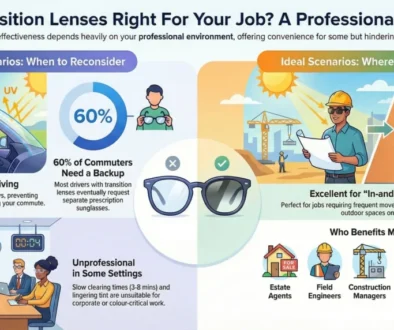
Photochromic Technology:
- Lenses that darken automatically in sunlight
- UV protection combined with convenience
- Ideal for Richmond’s bright Texas sun
Anti-Reflective Coatings:
- Reduced glare and reflections
- Improved night driving vision
- Enhanced cosmetic appearance
Specialty Lens Options
Neurolens Technology: For patients experiencing headaches, neck pain, and eye strain, Neurolens provides contoured prism correction addressing eye alignment issues that traditional prescriptions can’t resolve.
Progressive Lens Innovations:
- Wider intermediate zones for computer work
- Reduced distortion in peripheral areas
- Customized designs for specific lifestyles
Sports and Safety Lenses:
- Impact-resistant materials
- Wrap-around designs for active lifestyles
- Specialized tints for specific activities
Frame & Focus Quality Promise
Our “$99 Special” makes high-quality, properly fitted eyewear accessible to Richmond families. This offer includes:
- Frame from our fashionable collection
- Standard polycarbonate lenses
- Anti-reflective coating
- Professional fitting and adjustment
Cost Considerations and Insurance Coverage
Understanding Vision Insurance Benefits
Typical Coverage Includes:
- Annual comprehensive eye exams
- Glasses prescription allowance every 1-2 years
- Contact lens benefits (alternative to glasses prescription)
- Discounts on additional pairs
Maximizing Your Benefits: Frame & Focus Eye Care works with most vision insurance plans to minimize your out-of-pocket expenses. Our team helps you understand:
- Your specific coverage details
- Upgrade options within budget
- Payment plans for premium features
- FSA/HSA eligible expenses
Investment in Long-term Eye Health
Cost of Delayed Care: Regular eyeglass prescription updates and eye exams cost significantly less than treating advanced eye diseases. Early detection and management of conditions like glaucoma, diabetic retinopathy, and macular degeneration can preserve vision and reduce lifetime treatment costs.
Value Beyond Vision Correction: Comprehensive eye exams can detect early signs of:
- Diabetes and hypertension
- Autoimmune conditions
- Neurological disorders
- Medication side effects
Flexible Payment Options
Understanding that vision care is essential, but budgets vary, we offer:
- Insurance optimization to maximize benefits
- Payment plans for comprehensive care
- Special pricing for families
- Student discounts for local area students
2025 Seasonal Considerations for Your Eyeglass Prescription Update
Winter Weather Impact on Vision
Cold weather, indoor heating, and reduced daylight hours can affect your eye comfort and vision clarity. If you’re experiencing increased dryness or visual fatigue this winter, it may be time for an eyeglass prescription update assessment.
Spring Allergy Considerations
Spring allergies can temporarily affect vision clarity and eye comfort. However, if vision changes persist beyond allergy season, consider scheduling an eyeglass prescription update to ensure optimal visual performance.
Summer UV Protection Needs
Increased outdoor activities during summer may reveal vision changes you hadn’t noticed indoors. Our comprehensive summer eye exams include UV damage assessment and prescription optimization.
Back-to-School Vision Preparation
Before the school year begins, ensure your child’s eyeglass prescription is current. Academic success often depends on a clear vision for reading and computer work.
When to Seek Emergency Eye Care
Urgent Symptoms Requiring Immediate Attention
Vision Emergencies:
- Sudden vision loss or dramatic changes
- Flashing lights or new floaters
- Severe eye pain or foreign object injury
- Chemical splashes or traumatic impact
Frame & Focus Emergency Care: We provide same-day appointments for urgent eye conditions affecting our Richmond community. Dr. Zaver understands that “eye emergencies can be frightening,” and our practice prioritizes rapid response for urgent needs.
When to Call Immediately vs. Schedule Soon
Call Immediately (Same Day):
- Sudden vision changes
- Severe eye pain
- Eye injuries
- Signs of infection (discharge, severe redness)
Schedule Within a Few Days:
- Persistent headaches with vision changes
- Gradual vision deterioration
- New onset of night vision problems
- Increased difficulty with daily activities
Emergency Prevention Through Regular Care
Many eye emergencies can be prevented through:
- Regular comprehensive exams
- Proper eye protection during sports/work
- Timely treatment of minor issues
- Following prescribed treatment plans
Latest 2025 Research Supporting Modern Eye Care
Study 1: Digital Screen Time and Myopia Risk
Source: JAMA Network Open, February 2025
Findings: This systematic review and meta-analysis demonstrate clear associations between increased digital screen time and myopia development, particularly affecting children and young adults. The research supports recommendations for regular prescription monitoring in our digital age.
Study 2: Adult Myopia Progression Research
Source: Association for Research in Vision and Ophthalmology (ARVO) 2025
Findings: Contrary to traditional beliefs about vision stability in adulthood, this research shows 10.7% of adults experience significant myopia progression requiring prescription updates. The study emphasizes the importance of continued eye care beyond young adulthood.
Study 3: Global Myopia Prevalence Meta-Analysis
Source: British Journal of Ophthalmology, February 2025
Findings: This landmark analysis of 5.4 million participants across six continents projects that myopia will affect 740 million children globally by 2050. The research underscores the critical importance of early intervention and regular monitoring.
Resources and Citations
This article is based on current research and authoritative sources to ensure accuracy and reliability. Key references include:
1. FDA Authorization of Stellest Lenses for Myopia Control
U.S. Food and Drug Administration – September 25, 2025 FDA Authorizes Marketing of First Eyeglass Lenses to Slow Progression of Pediatric Myopia
Official FDA announcement regarding the first spectacle lenses approved in the United States for slowing myopia progression in children ages 6-12, showing a 71% reduction in progression over 24 months.
2. Digital Screen Time and Myopia Research
JAMA Network Open – February 21, 2025 Digital Screen Time and Myopia: A Systematic Review and Dose-Response Meta-Analysis
Comprehensive meta-analysis of 45 studies involving 335,524 participants demonstrating a 21% increase in myopia risk per additional hour of daily screen time, with significant implications for modern eyeglass prescription update frequency.
3. Adult Myopia Progression Patterns
Ophthalmology Science – January 17, 2025 Patterns of Myopia Progression in European Adults
A longitudinal study reveals that 10.7% of adults experience significant myopia progression, requiring an eyeglass prescription update, which challenges traditional assumptions about vision stability in adulthood.
Your Next Steps: Scheduling Your Eye Exam
Frame & Focus Eye Care Difference
As Richmond’s trusted eye care provider, we combine state-of-the-art technology with the personal touch that makes patients “feel like family.” Our 4.9-star Google rating from 315 reviews reflects our commitment to exceptional care.
What Sets Us Apart:
- Patient-centered approach with “straight talk” communication
- Advanced diagnostic technology for comprehensive assessment
- Same-day emergency appointments when needed
- Complete family care from infants to seniors
- Quality eyewear with professional fitting
Convenient Scheduling Options
Location: 18310 W Airport Blvd #900, Richmond, TX 77407
Service Areas: Richmond, Pecan Grove, Sugar Land, Rosenberg, Fulshear
Book Your Appointment Today
Don’t wait for vision problems to interfere with your quality of life. Whether you’re due for a routine eyeglass prescription update or experiencing symptoms that concern you, Dr. Zaver and our experienced team are here to provide the comprehensive care you deserve.
Schedule your appointment today and experience the Frame & Focus difference – where advanced technology meets genuine care, ensuring you see clearly and feel confident about your eye health.
FAQs
-
Most adults should update their glasses prescription every one to two years. However, if you are over 65 or have conditions like diabetes, annual exams are highly recommended.